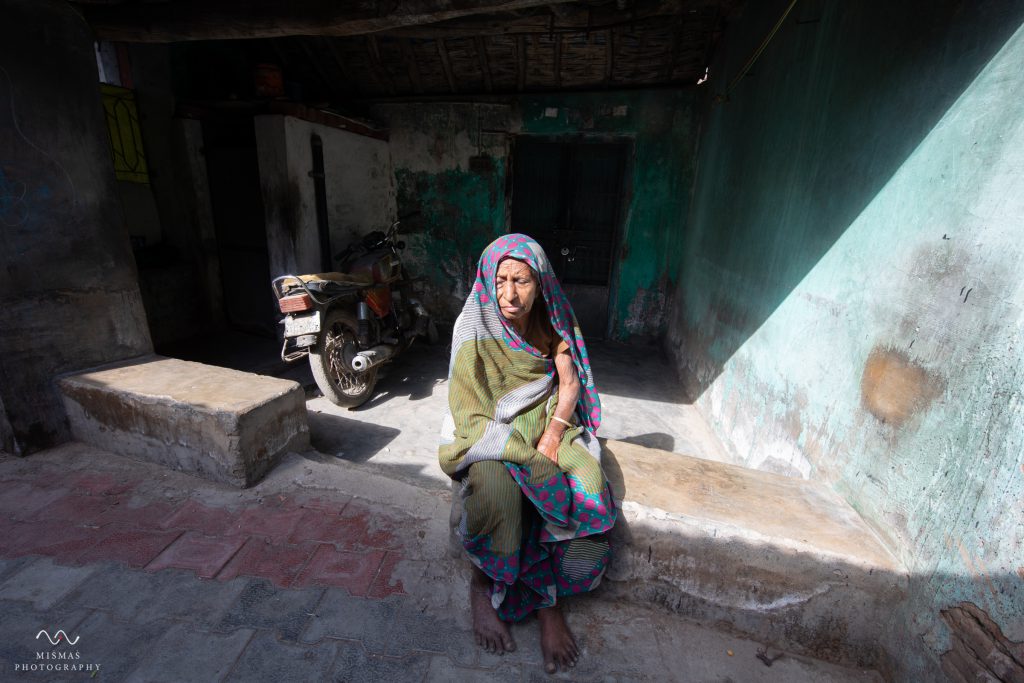
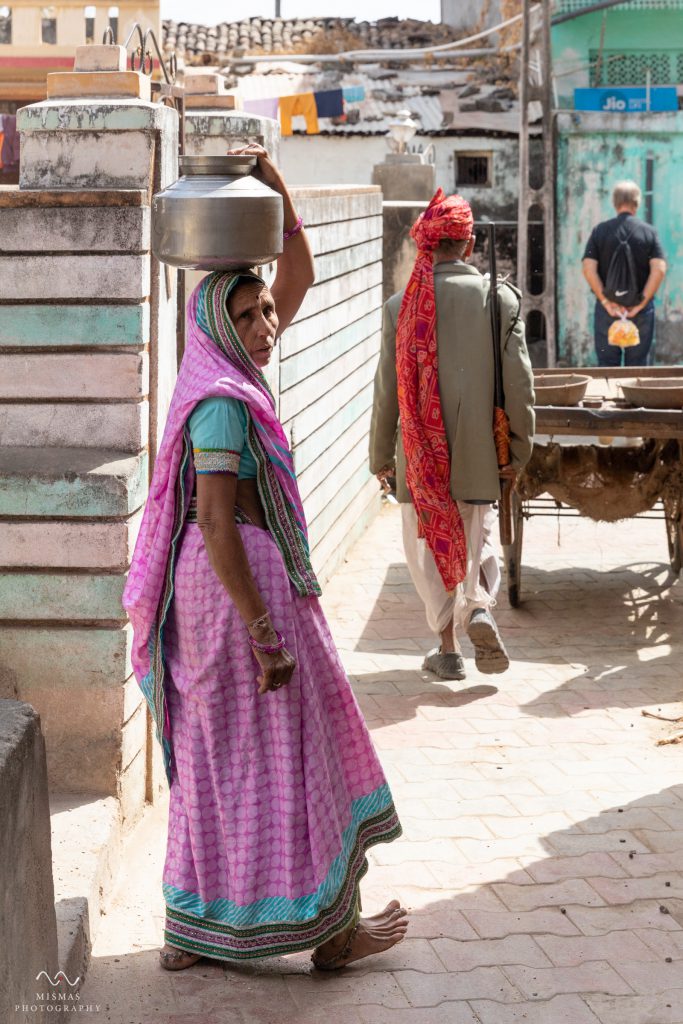
Poshina (Ratanpur) is a vibrant town in the Sabarkantha district of Gujarat, known for its cultural diversity and heritage. It proudly hosts various tribal communities, including the Rabaris, Bhils, and Garsias.


Arrowheads from Gujarat

White desert
November 5, 2019
Poshina, Gujarat
November 7, 2019ARROWHEADS FROM INDIA
Meeting the Bils
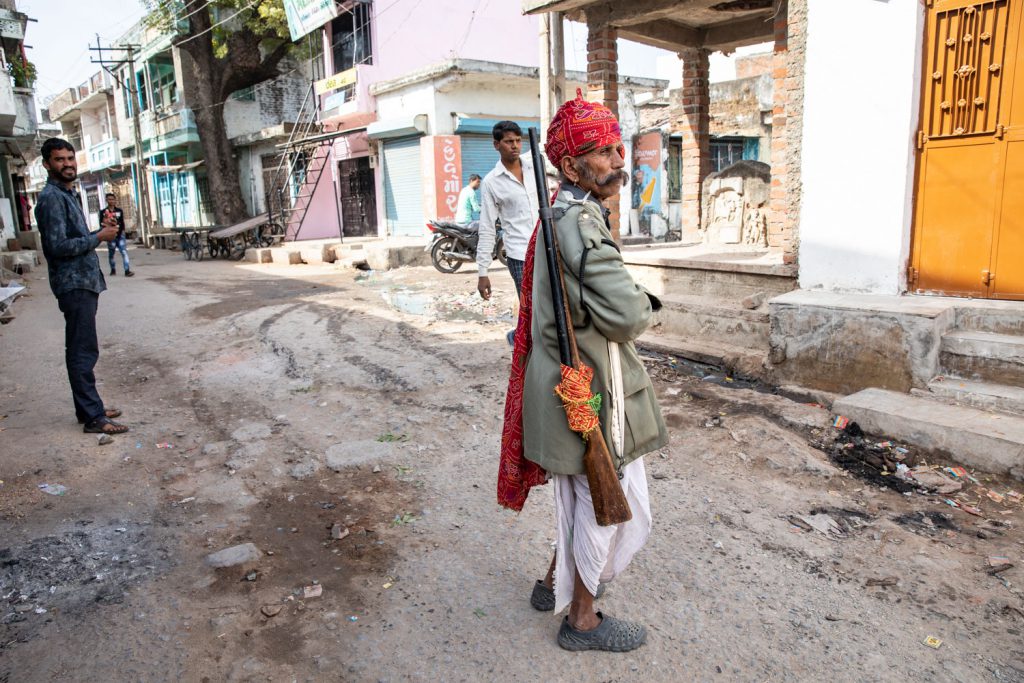
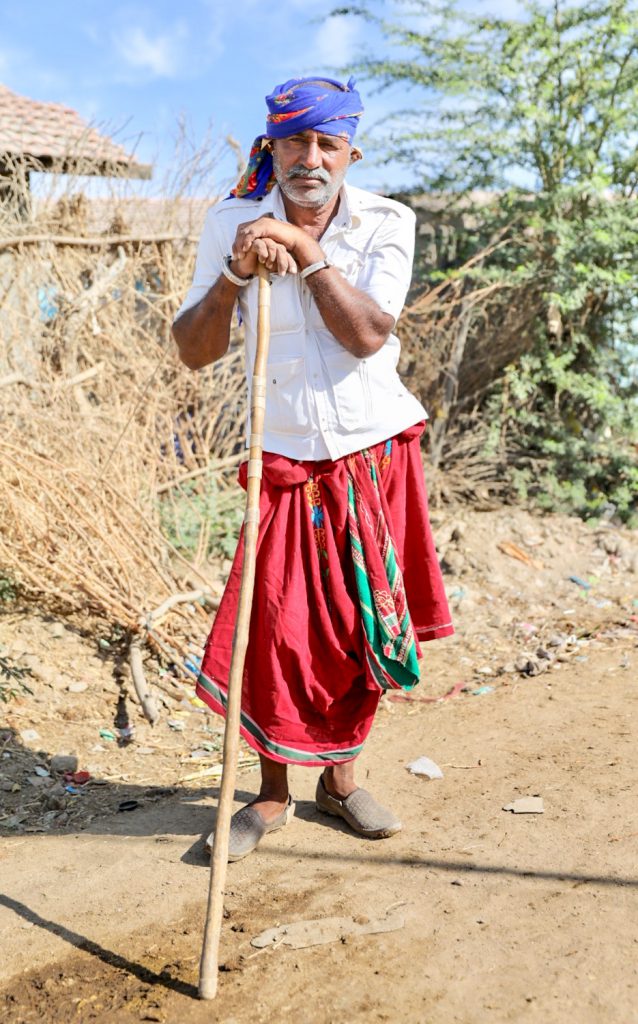
The Garasias enchant with their colourful attire, while the Rabaris showcase their distinctive silver ornaments, and the Bhil tribe astounds with their remarkable arrow-making skills. Each group offers a unique cultural richness that deserves celebration and appreciation.
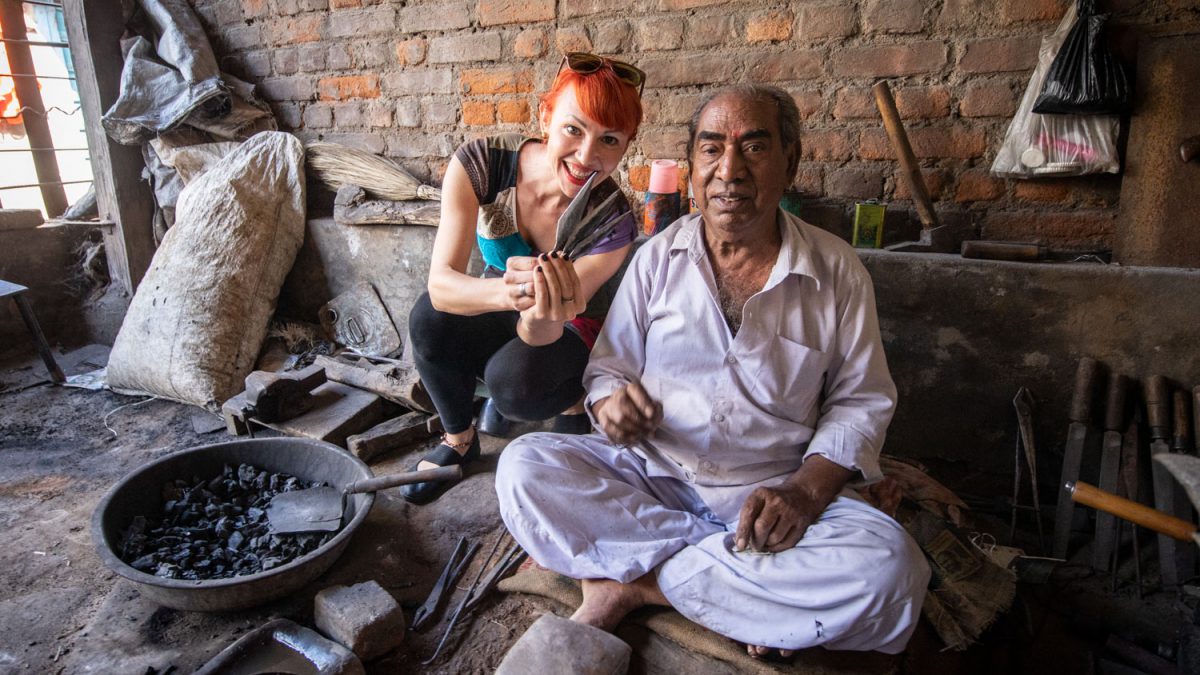
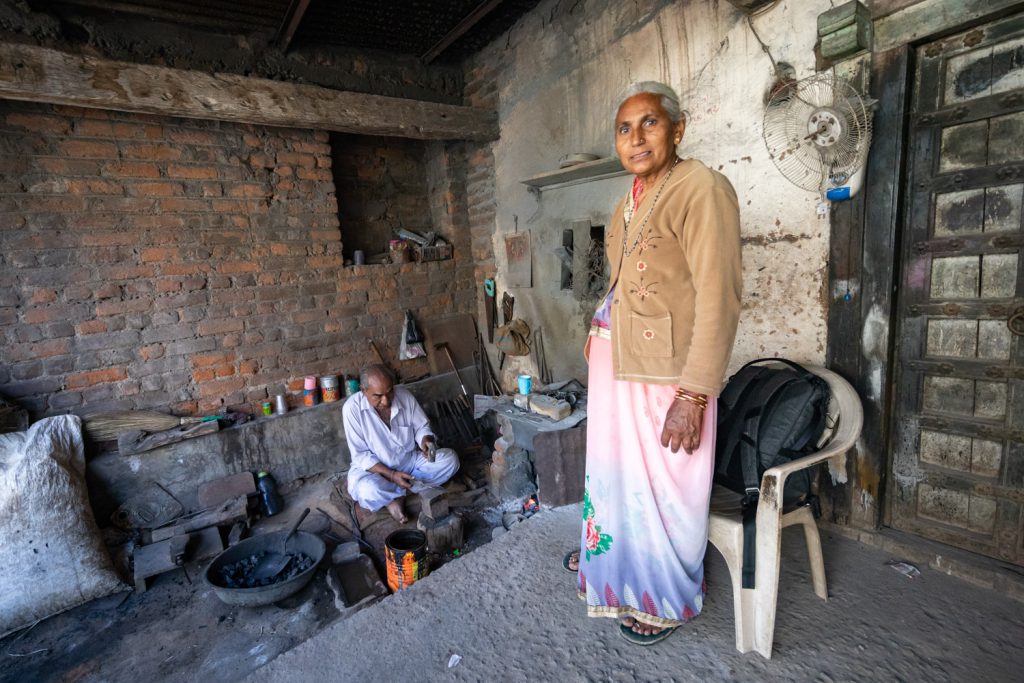
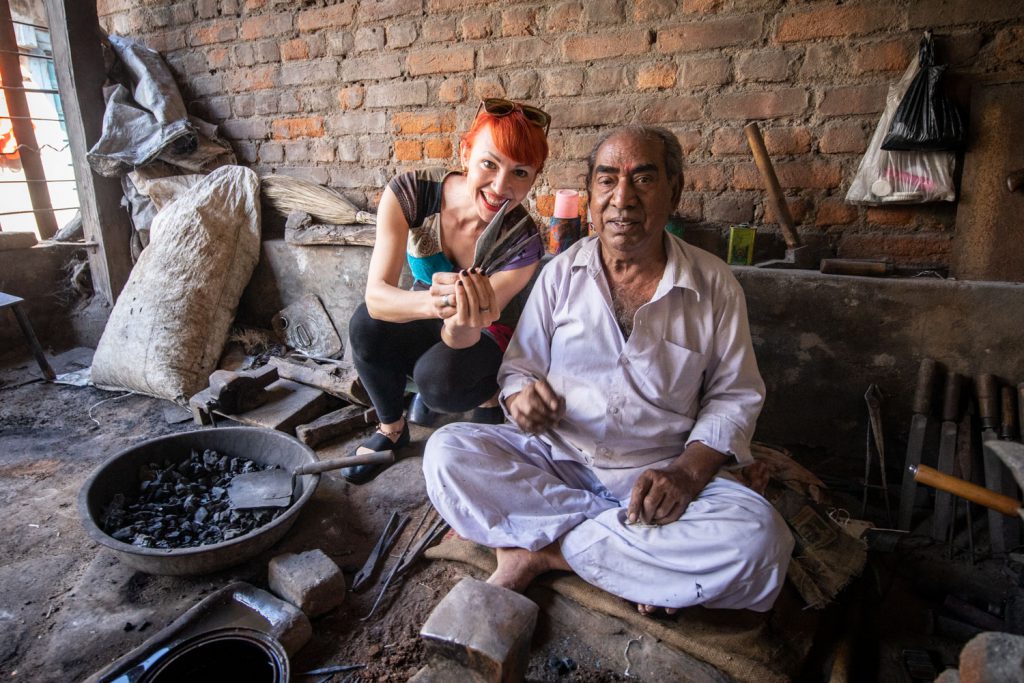
Unfortunately, I didn’t have time to experience traditional Indian archery in practice, but I am glad I met a blacksmith just forging metal arrowheads. As lucky as I am, he forged a few for me.
The Bhils are the third-largest Indo-Aryan speaking community and the most extensively dispersed tribal group across India. Mastering the skill of wielding a bow and arrow is vital for a Bhil, from childhood and even beyond death. This deeply ingrained tradition highlights their rich cultural heritage and the significance of this skill in their identity.
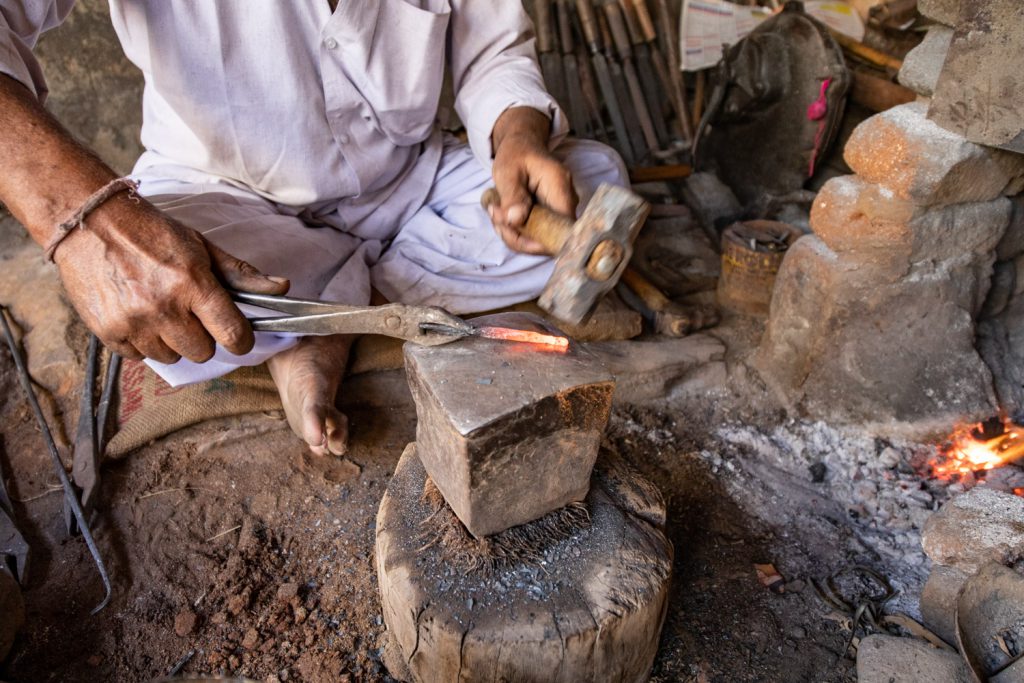
Their precision is impressive, allowing them to strike a target from up to a kilometre away.
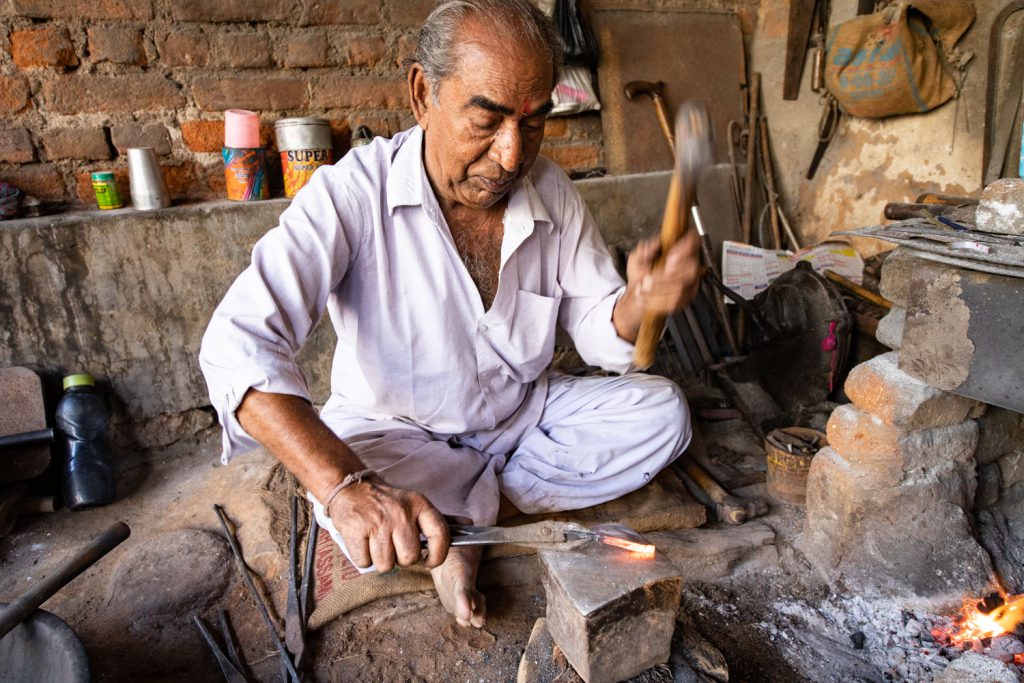
A dedicated group within the tribe skillfully crafts bows and arrows for its members. Meanwhile, a talented blacksmith forges durable metal arrowheads, ensuring the tools of survival are both effective and reliable.
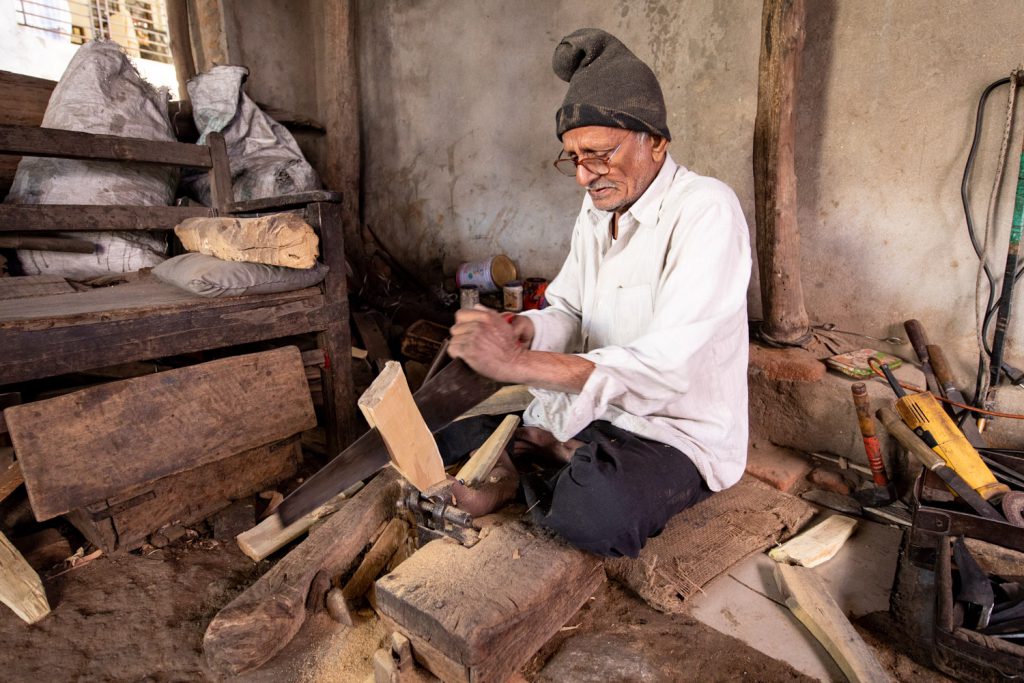
The cane, adorned with bright colours and topped with striking eagle feathers, beautifully represents the importance of spiritual beliefs and traditions. What a profoundly meaningful creation!
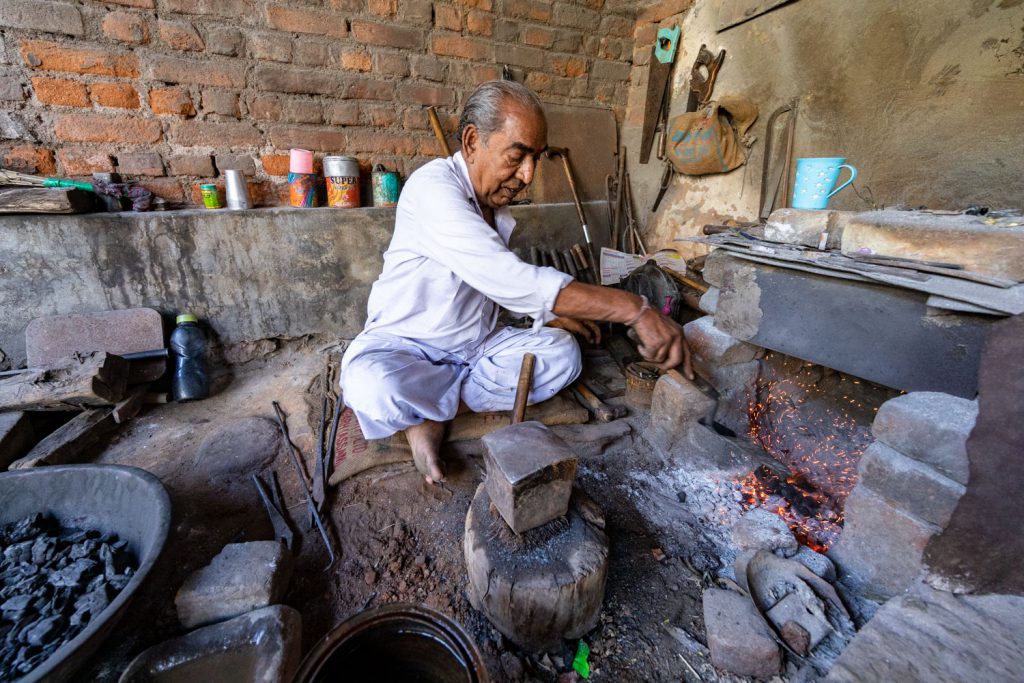
I intend to collect exquisite traditional Indian handcrafted metal arrowheads, a beautifully made Slovenian wooden cane, and a stunning traditional goose feather. Each item reflects cultural artistry and heritage, making this collection not only distinctive but also a celebration of craftsmanship.
My plans went smoothly until I arrived at Vadodara (Baroda) airport. There, I faced a detailed police investigation that lasted nearly an hour. Thanks to my trusty Canon, which safeguarded my files and lovingly shared the story of my heartfelt gift from Poshina, I was eventually allowed to board my flight to New Delhi. Little did I realise, that was just the beginning of my real difficulties.
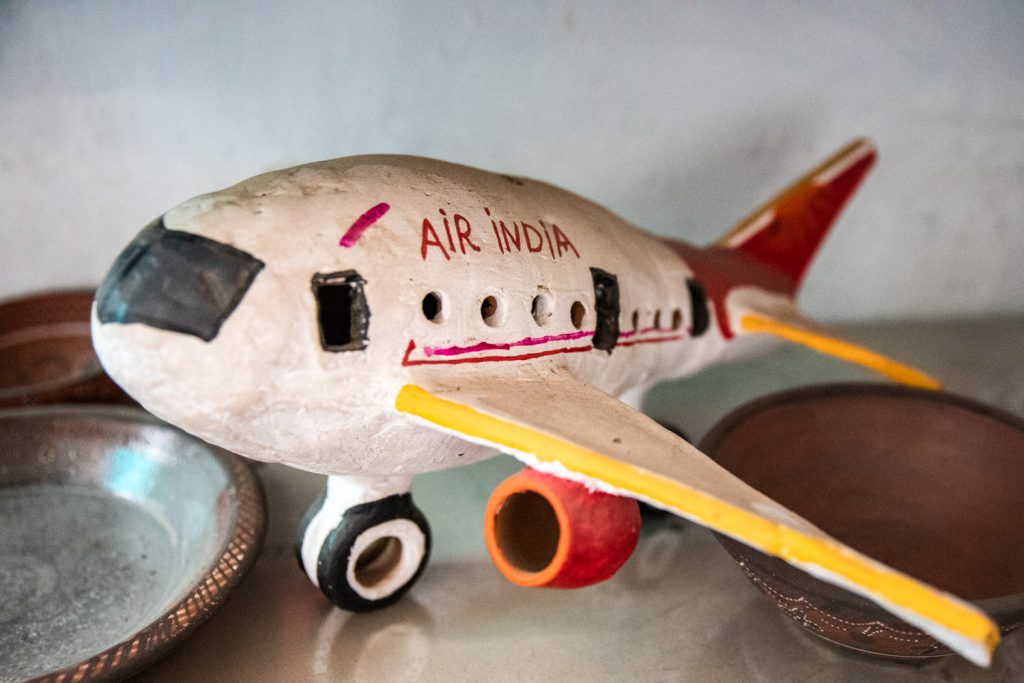
Just as we were about to board our rescheduled flight back to Munich, a heavily armed police officer burst into the terminal, urgently searching for Mišmaš—more specifically, Mickmack. This unexpected event added a sense of urgency and intrigue to our situation.
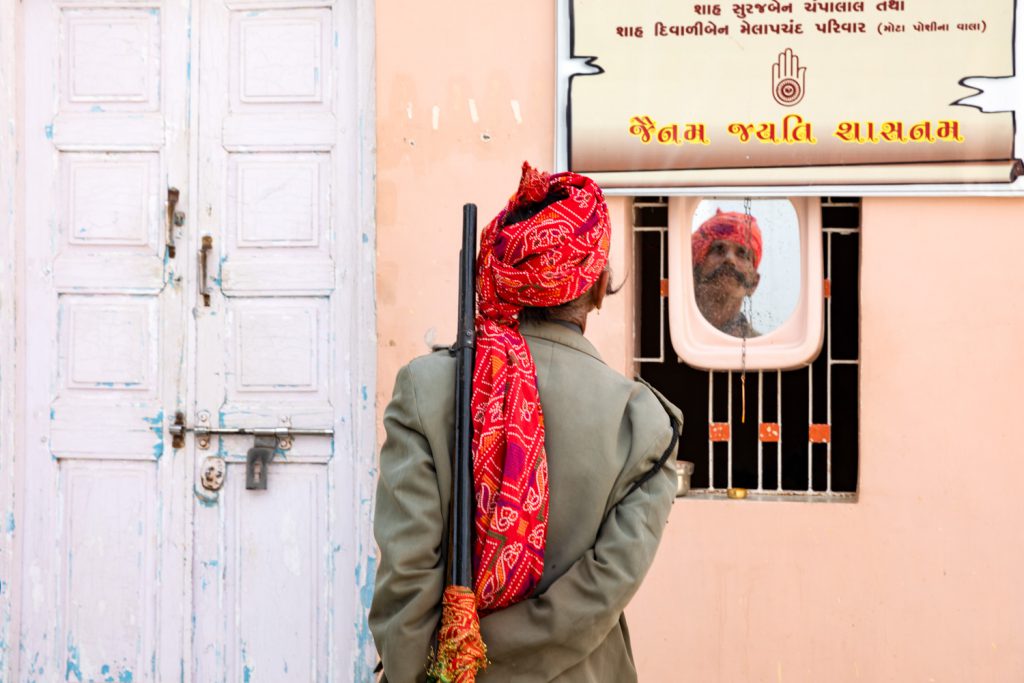
They took me into a small room where I had to sign many documents written in the local language. I didn’t know what I was signing, but it seemed I had no other choice.
After twenty minutes of intense questioning, the police finally let me board the plane. Thankfully, it hadn’t taken off yet. What a chaotic experience!
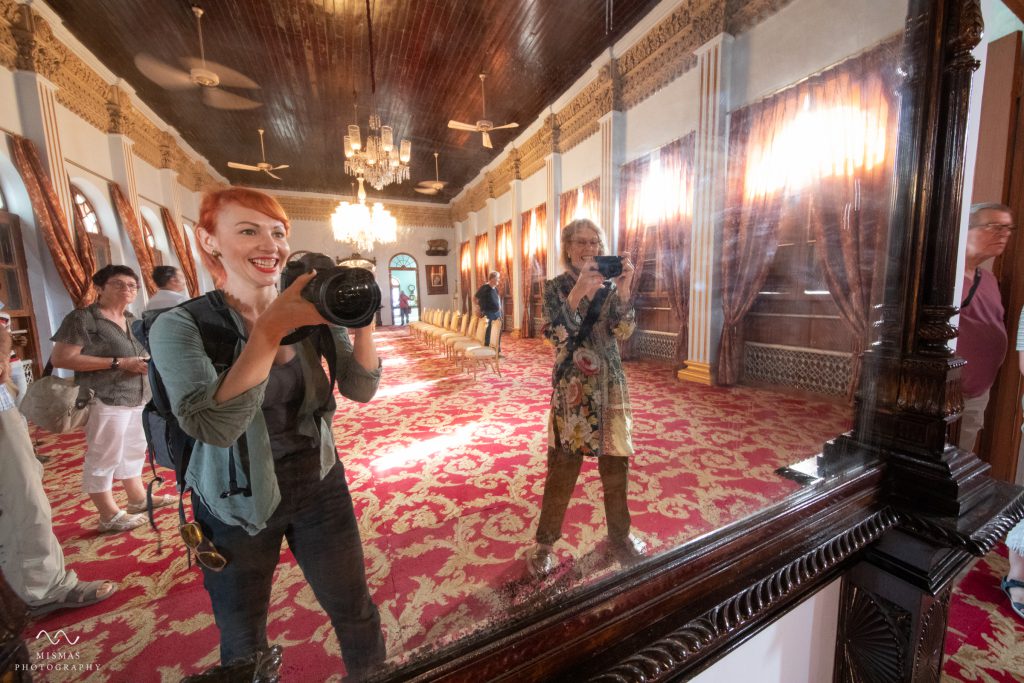
Just like in Groundhog Day, I find myself caught in a repetitive cycle at Munich Airport. It feels as though I am stuck in an endless loop, desperate to escape this monotonous reality.
I decided to surrender this time. After nearly thirty hours of sleeplessness since Vadodara, I felt completely exhausted.
Against all odds, I have triumphantly returned to my home country with my Indian arrowheads.

After a peaceful night at home, my thoughts became clearer. What was I doing, crafting metal arrowheads in Gujarat at such a crucial moment? This was no simple craft; I was creating a weapon!

Just days after my arrival in Gujarat, Pakistan made a crucial decision to close its airspace in response to escalating tensions with India. Both nations confidently claimed to have shot down each other’s jets, intensifying the crisis and emphasising the need for immediate attention.

Having surmounted significant challenges, I am committed to successfully completing my international project, which seeks to unite and celebrate the rich traditions of Indian and Slovenian handicrafts.
“All journeys have secret destinations of which the traveller is unaware.”
– Martin Buber