The Federal Democratic Republic of Nepal is a landlocked country in South Asia, mainly located within the Himalayas. It shares borders with China, India, and Bangladesh.


Earthquake Gorkha

Journey to Holi festival
November 8, 2025
Mustard oil company
November 10, 2025STORIES FROM NEPAL
Earthquake Gorkha
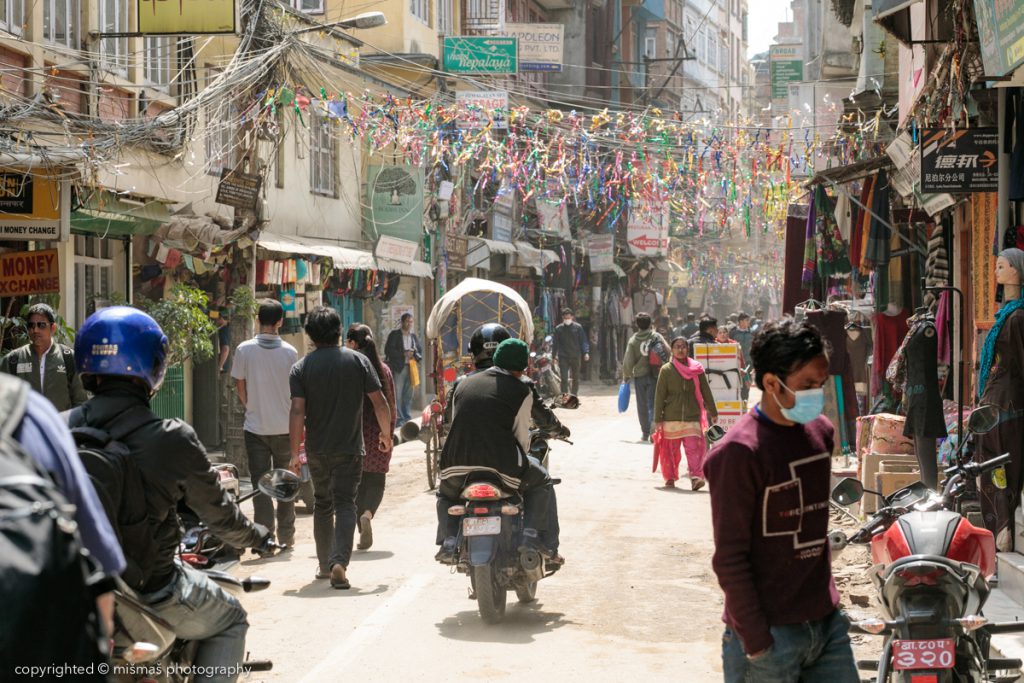
The country’s geographic location makes it highly vulnerable to seismic activity and various disasters, including floods, landslides, windstorms, hailstorms, glacier lake outburst floods, and other dangerous weather events.
Nepal is situated along the boundary between the Indian and Eurasian tectonic plates, which are pushed against and beneath each other at a rate of 5 cm per year.Nepal lies along the boundary between the Indian and Eurasian tectonic plates, which are pressed against and beneath each other at a rate of 5 cm per year.
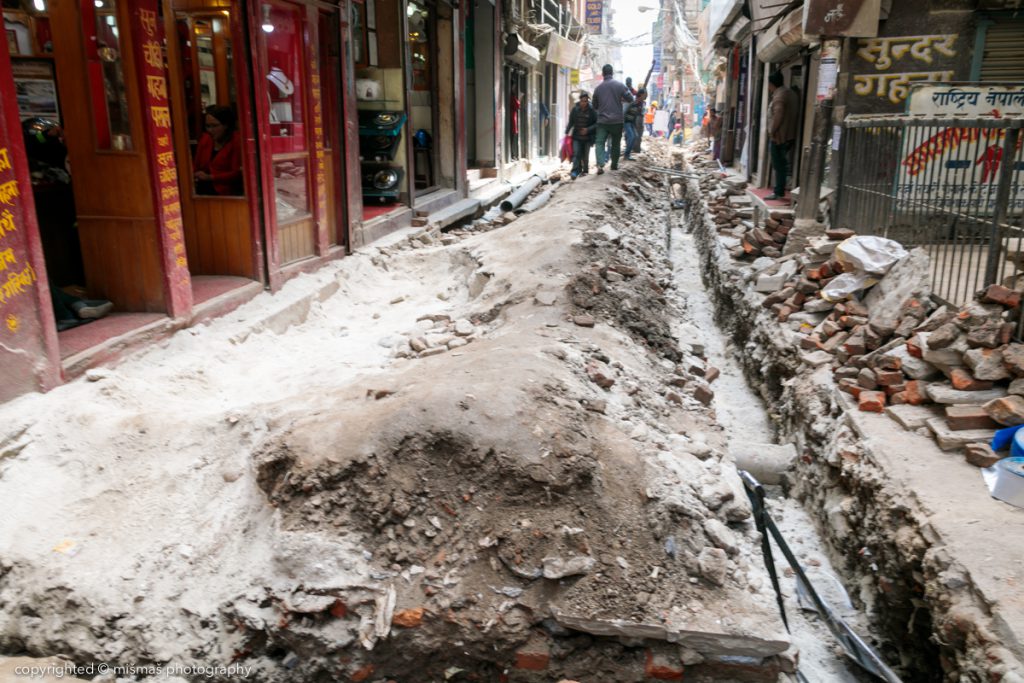
The densely populated Kathmandu Valley has a 300-metre-deep layer of clay beneath the surface. This layer makes buildings and roads particularly susceptible to damage and collapse. Furthermore, some districts in the rural western parts of Nepal face an even greater risk of earthquakes.
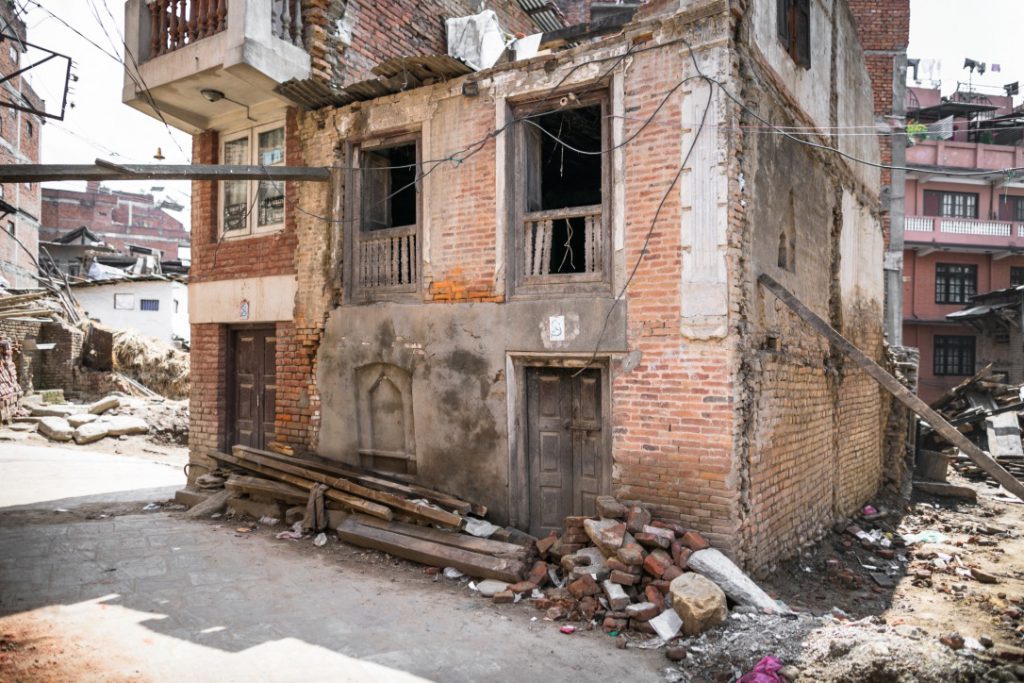
Nepal is among the poorest countries in the world, a situation worsened by a rising urban population, poor human development indicators, political conflicts, and inadequate infrastructure, all of which heighten its vulnerability to disasters.
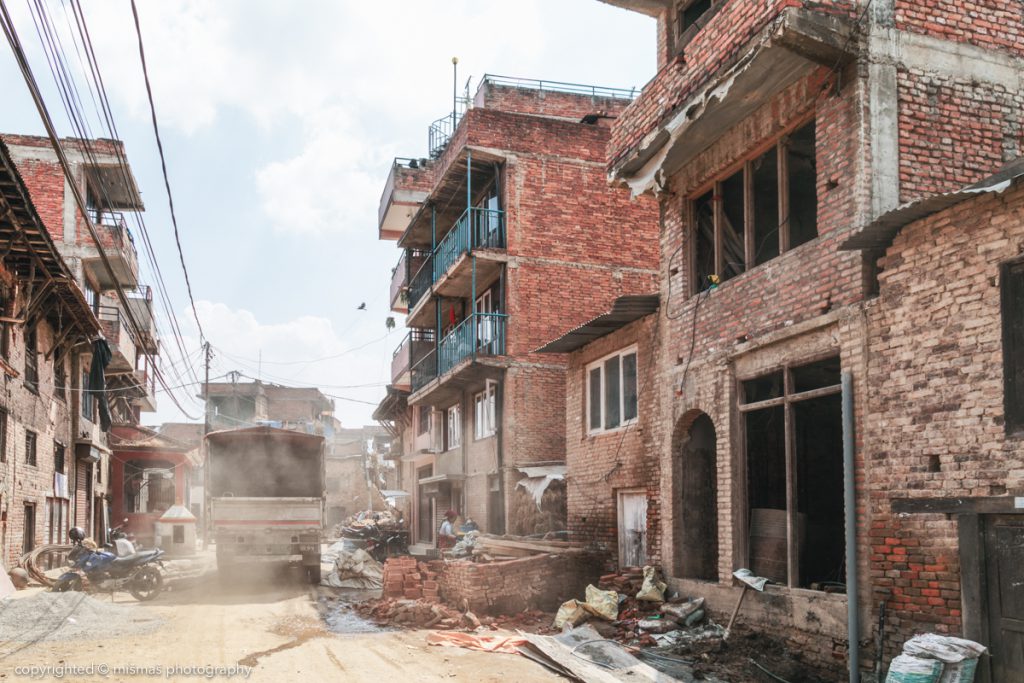
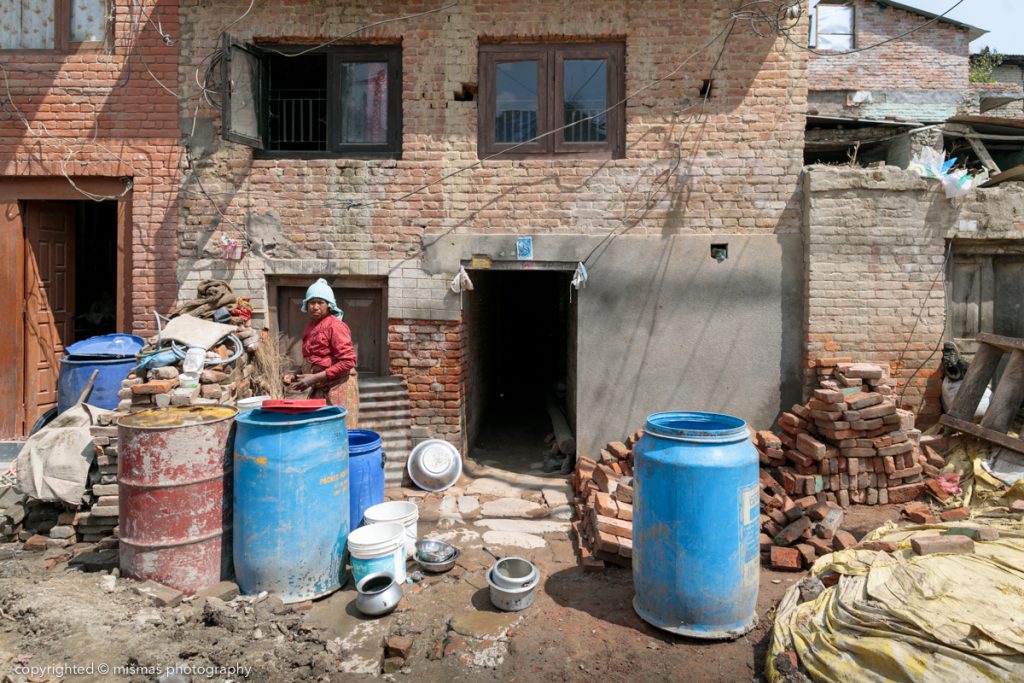
It was truly heartbreaking to witness the destruction caused by the Gorkha earthquake on 25 April 2015. Even three years later, the ground still shook occasionally, and to save energy, we had arranged for power cuts during the day. It was a tough time for everyone, but it also showed how resilient and supportive our community could be.
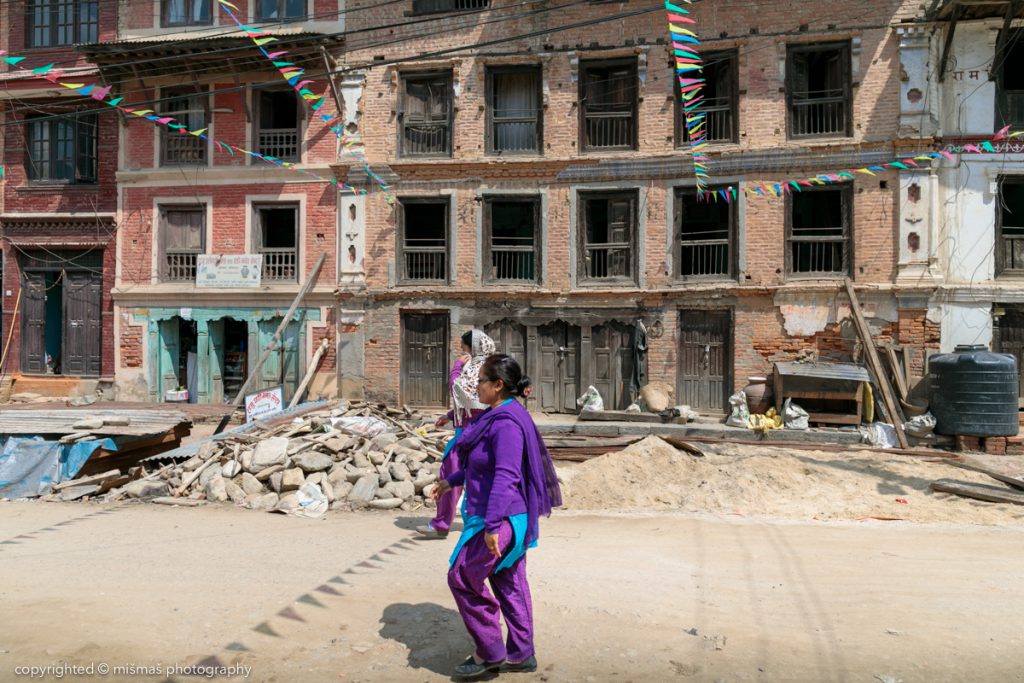
The 7.8-magnitude earthquake was so intense that it injured 22,000 people, killed over 9,000, and damaged or destroyed nearly one million buildings, while shifting Mount Everest by nearly 3 cm.
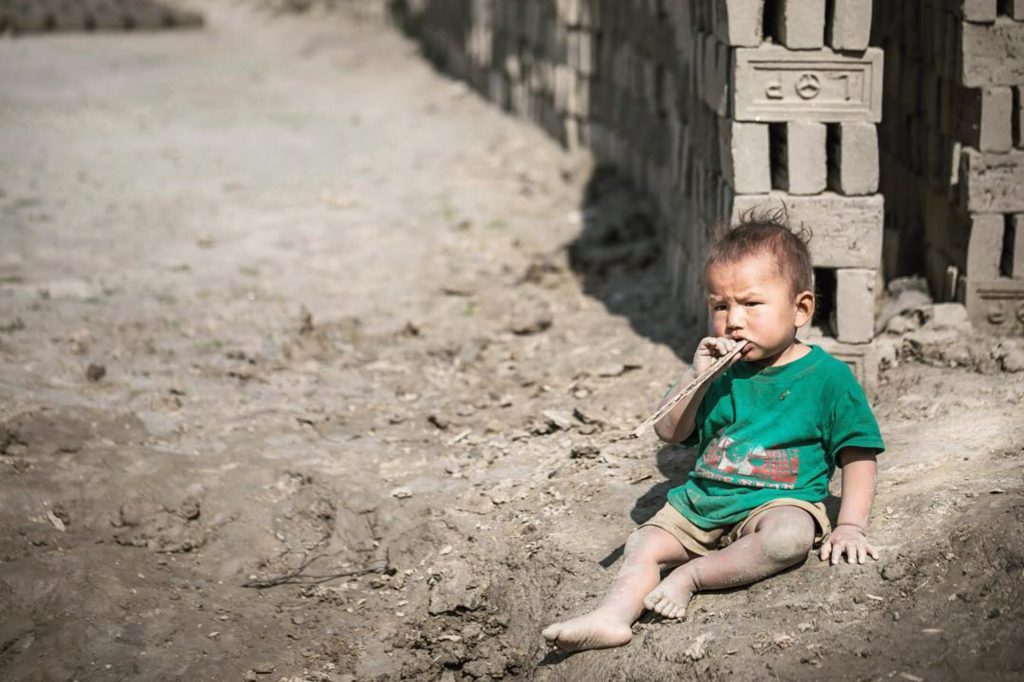
Billions of dollars pledged by international donors have not directly reached the projects, meaning their impact on recovery and rebuilding has been limited, and people continue to live in traumatic conditions.
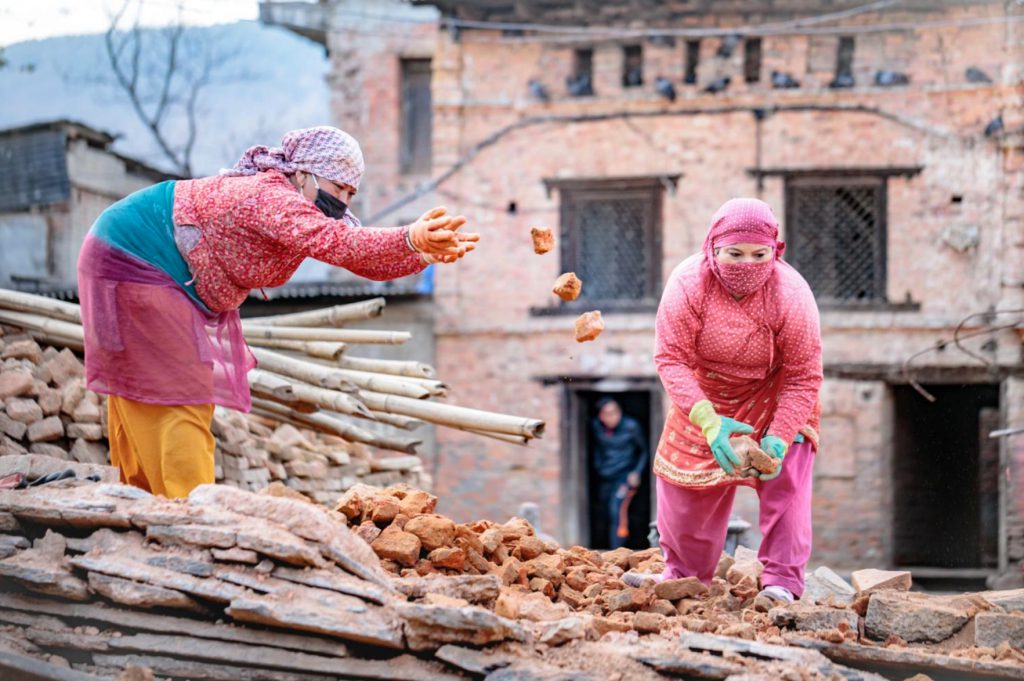
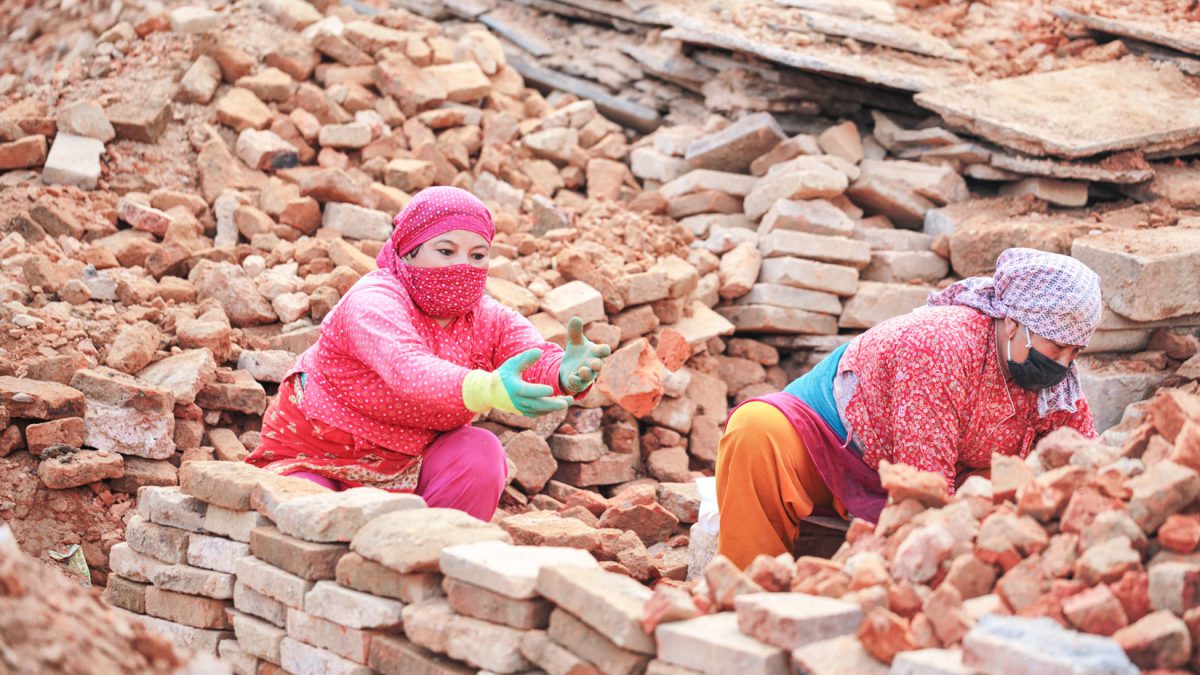
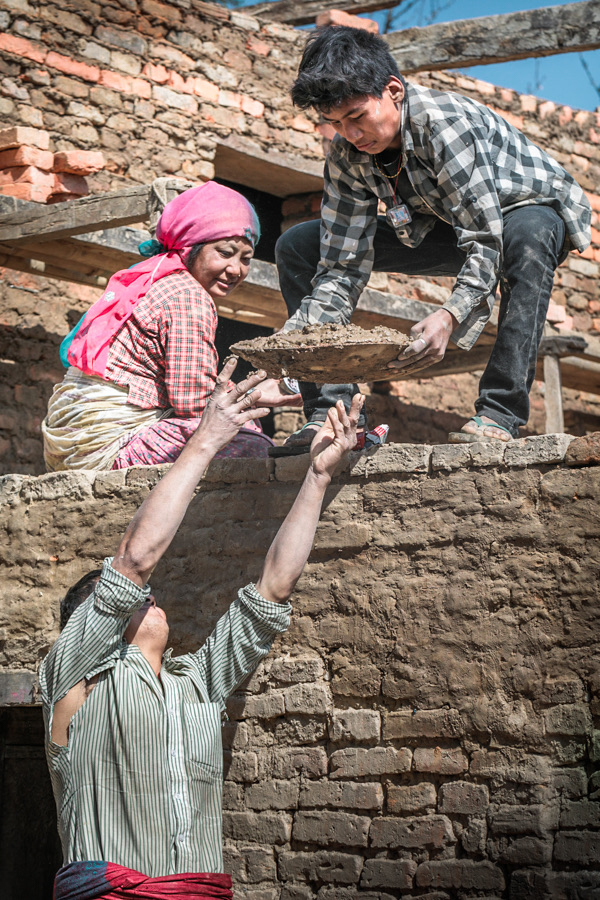
Since many Nepali men live and work abroad, Nepali women began to take on new, often undervalued roles in relief efforts that are typically considered men’s jobs.
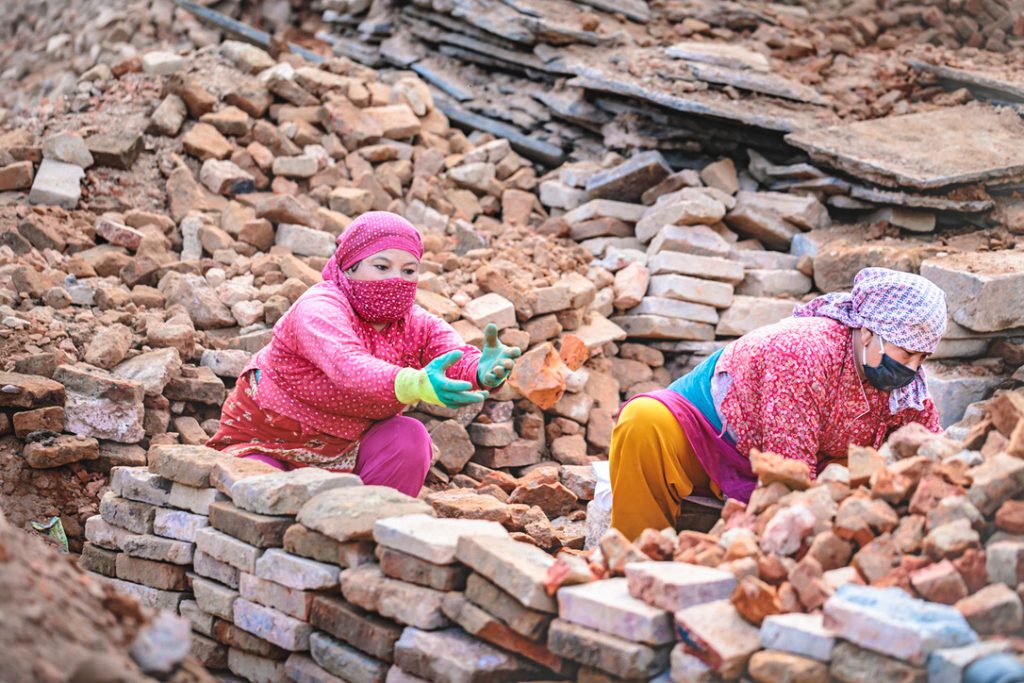
They are fully responsible for managing households, caring for children, parents, and farms, as well as repairing, reconstructing houses, and rebuilding cultural sites damaged by the earthquake.
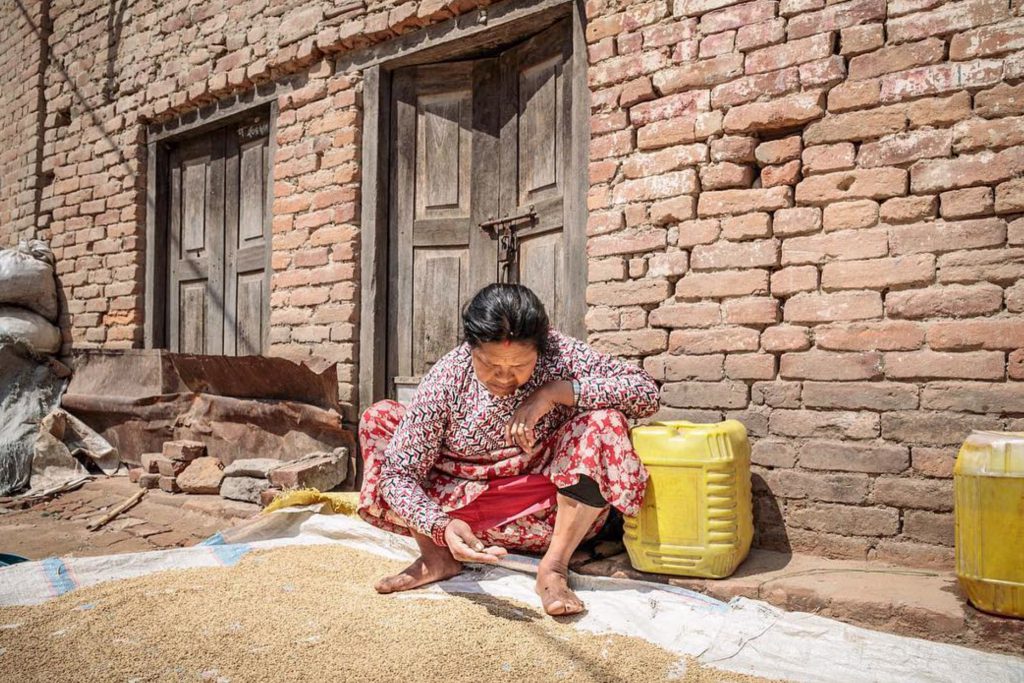
Nepalese people are accustomed to facing hardship and have endured remarkable struggles in the past, which have strengthened them and continue to help them persevere.
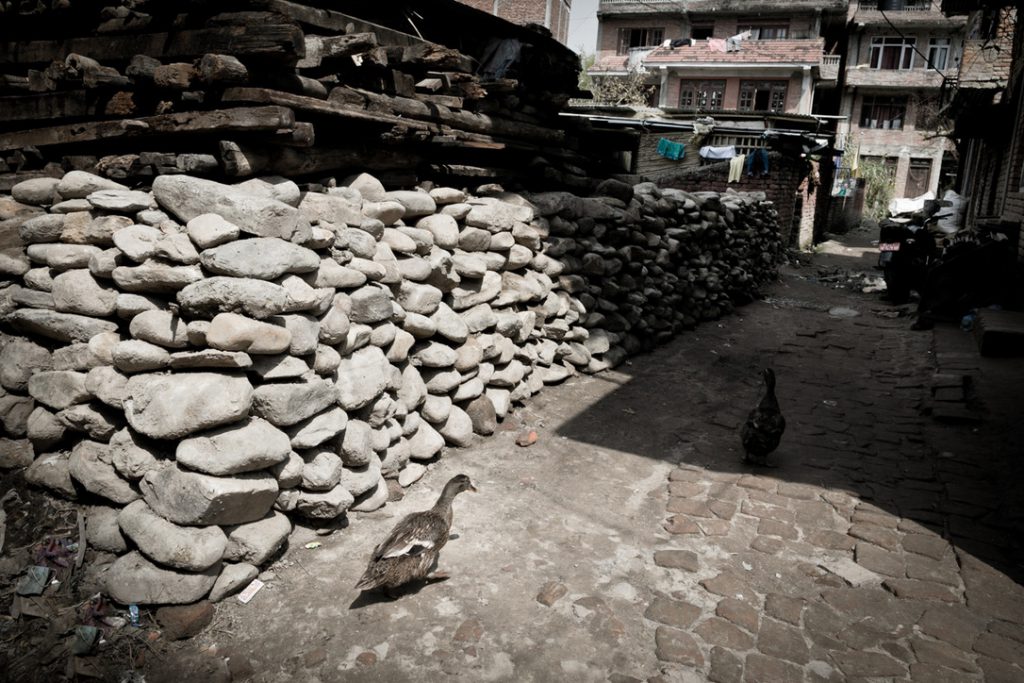
The grounds are continually shaking, and during the day, there are scheduled power outages to help conserve energy.
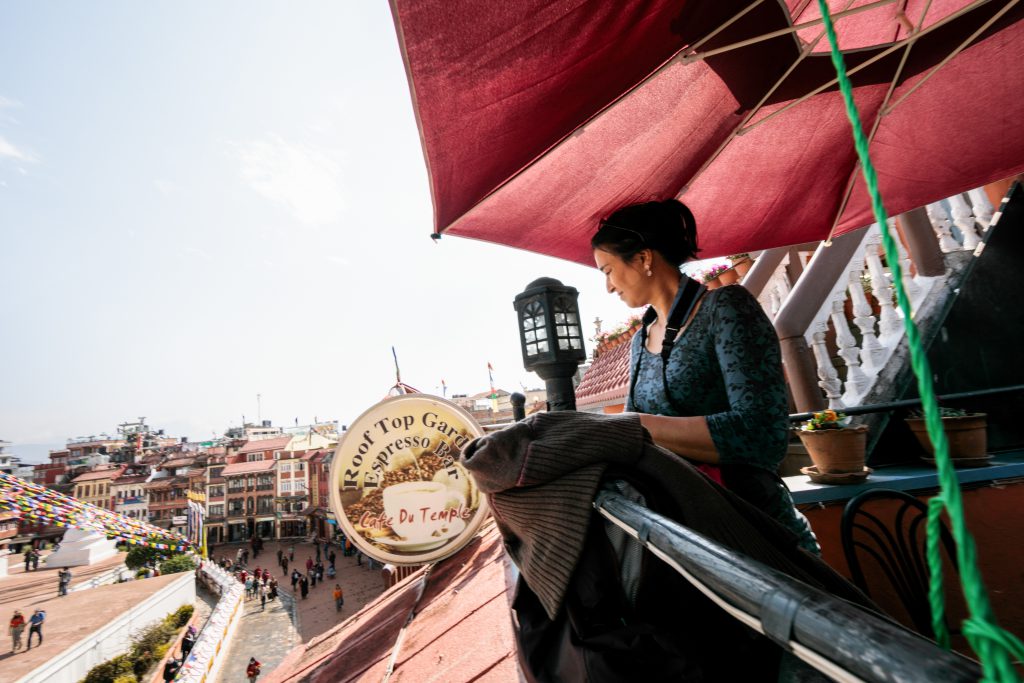
Luxury hotels have generators, but I still suggest avoiding the lift. You never know!

If you want to survive, you must learn to coexist and appreciate not only the mundane but also the important intangible things, which we ‘Westerns’ often forget.