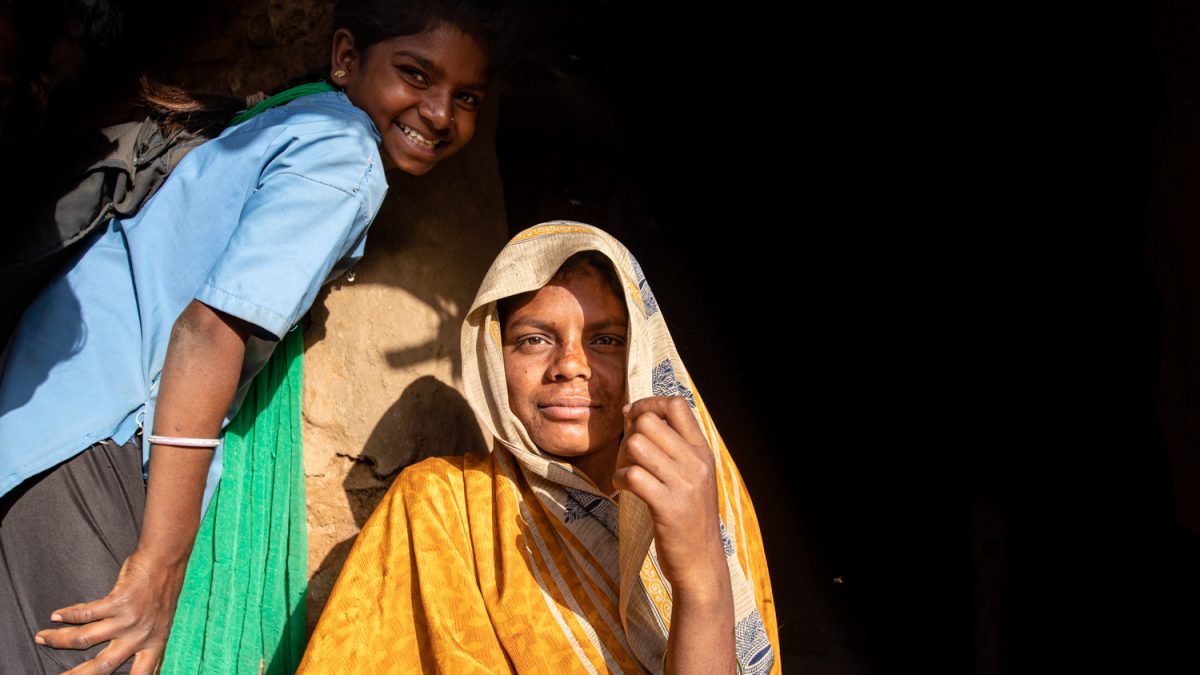
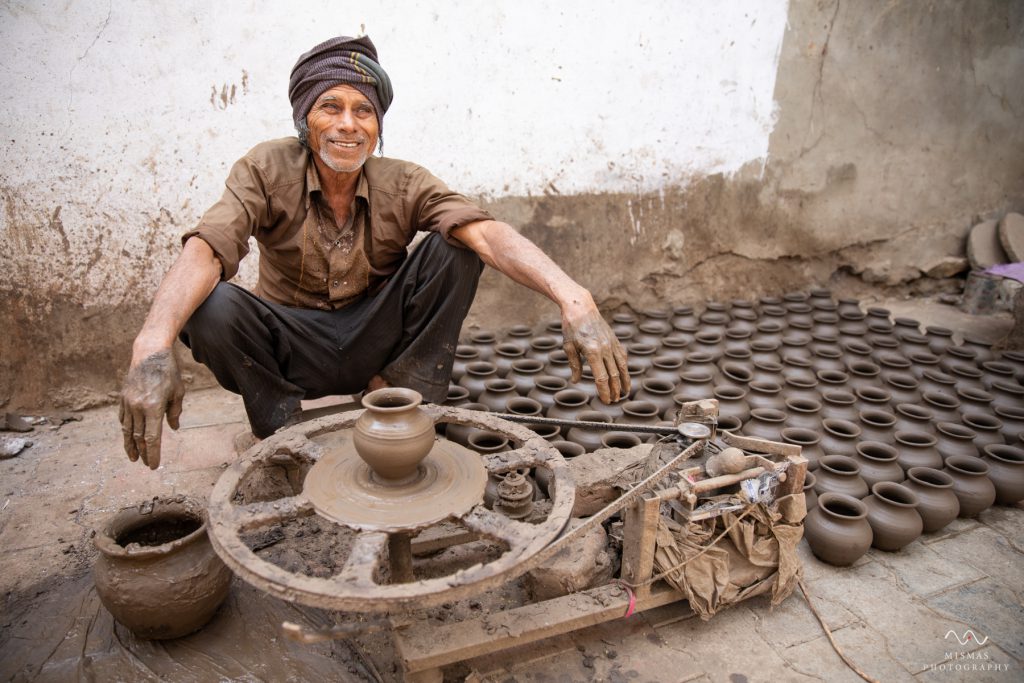
India’s tribes have a remarkable talent for making their own clothing, pottery, and distinctive household items, highlighting their rich cultural heritage and creativity!


Indian tribes

Stories from Gujarat
November 5, 2019
White desert
November 5, 2019MEETING THE TRIBAS
Gujarat, India
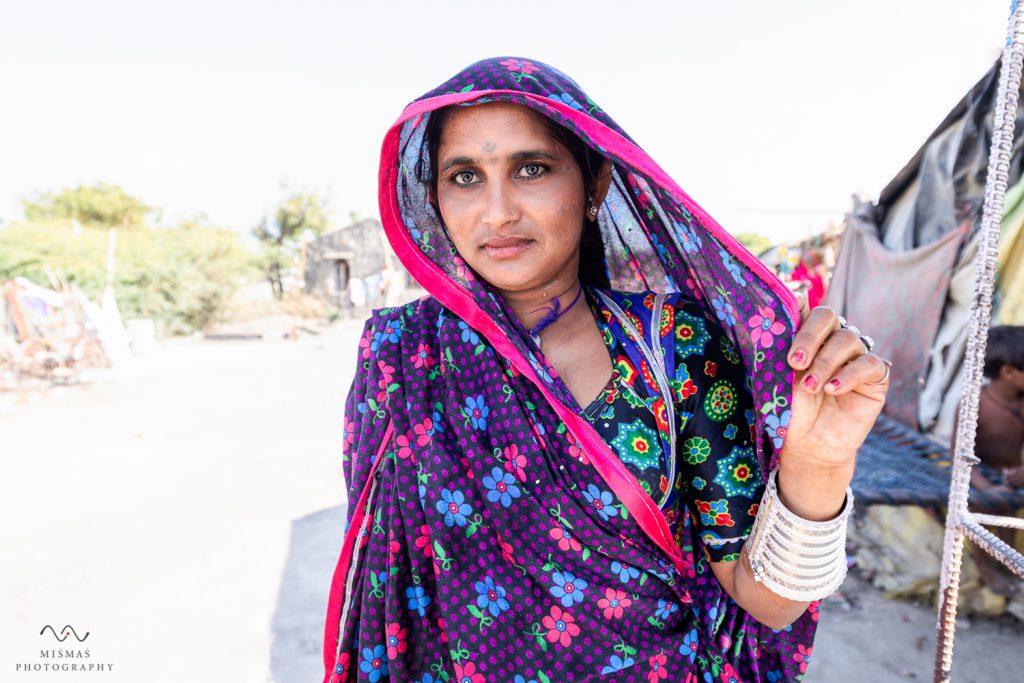
It is very easy to spot the women of the Rabari Tribe dressed in dazzling, colourful garments, creating a delightful contrast against the arid background of India.
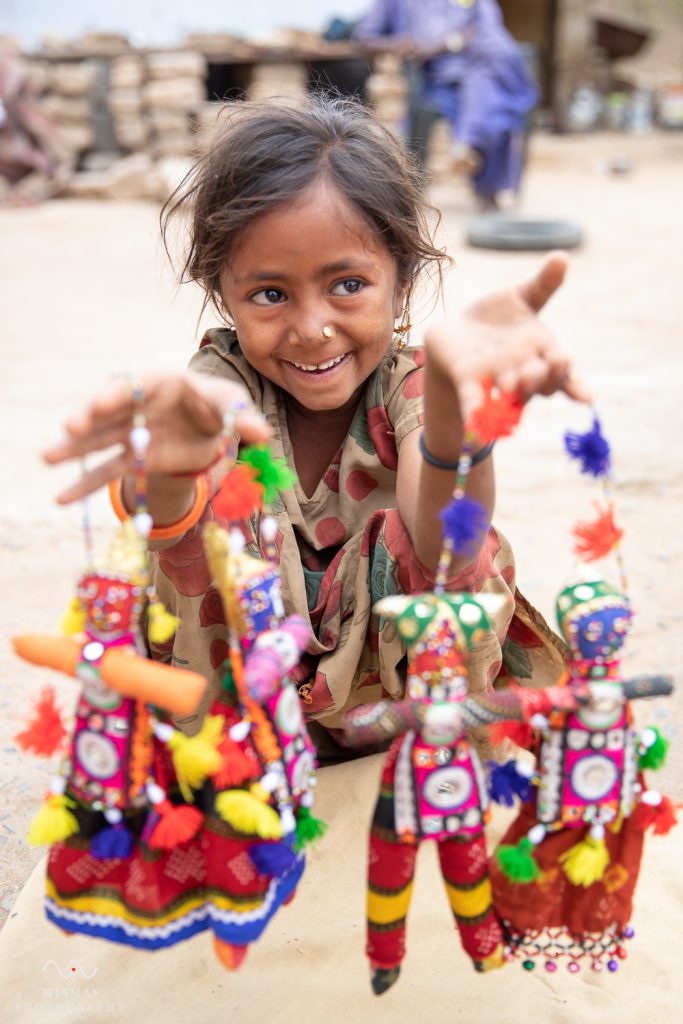
The term “Rabari” signifies a lively and distinctive community often regarded as outsiders. Many believe that their origins can be traced to a dancing God, with Lord Shiva serving as their divine guardian. Their rich oral traditions, passed down through generations, retain invaluable wisdom and act as a powerful means of communication, profoundly enriching their culture and identity. Recognising and honouring their heritage is vital to understanding the diverse fabric of our society.
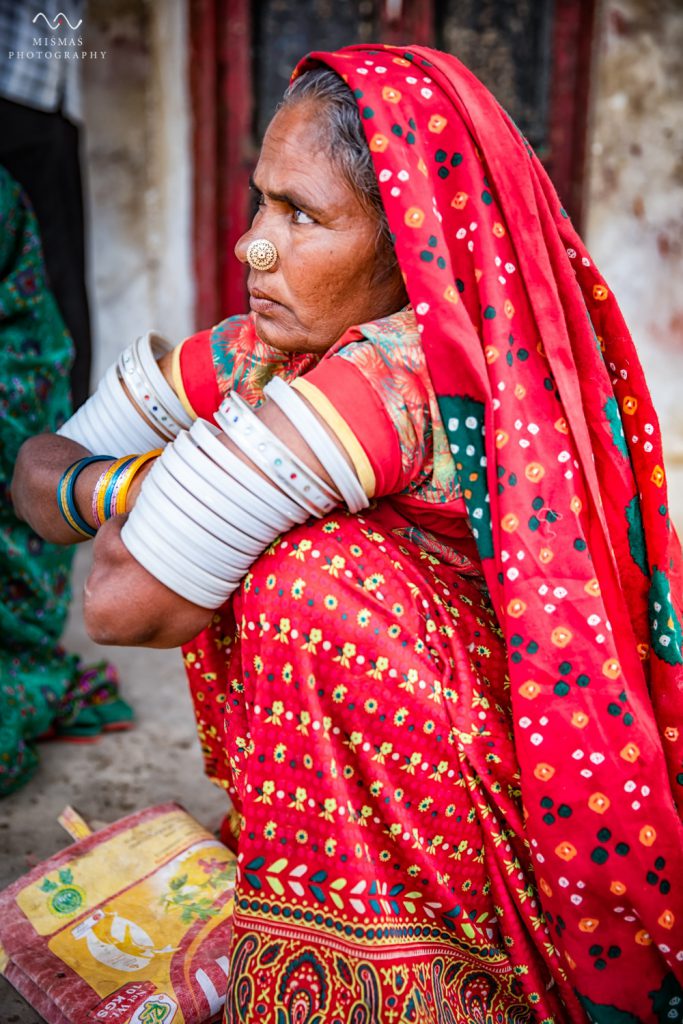
Married women wear white bangles from the elbow to the shoulder, along with jewellery such as toe rings, anklets, earrings, nose rings, and bracelets.
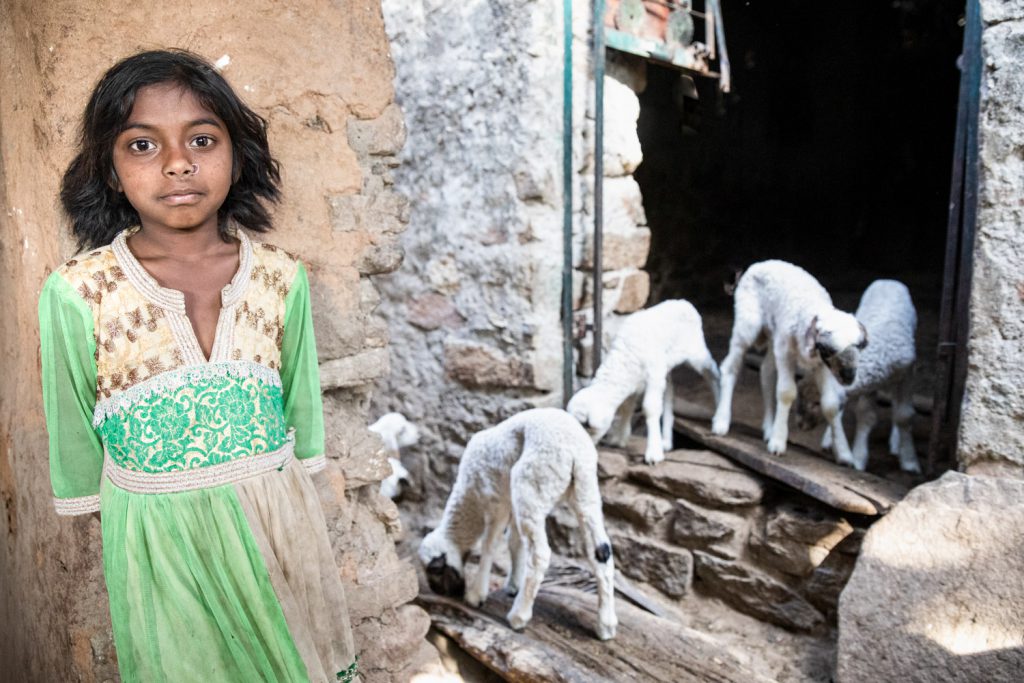
Inspired by a lively nomadic heritage, this community has traditionally depended on basic shelters. Addressing the vital issue of safety is crucial—it requires our immediate attention and committed efforts to establish a safer environment for all involved.
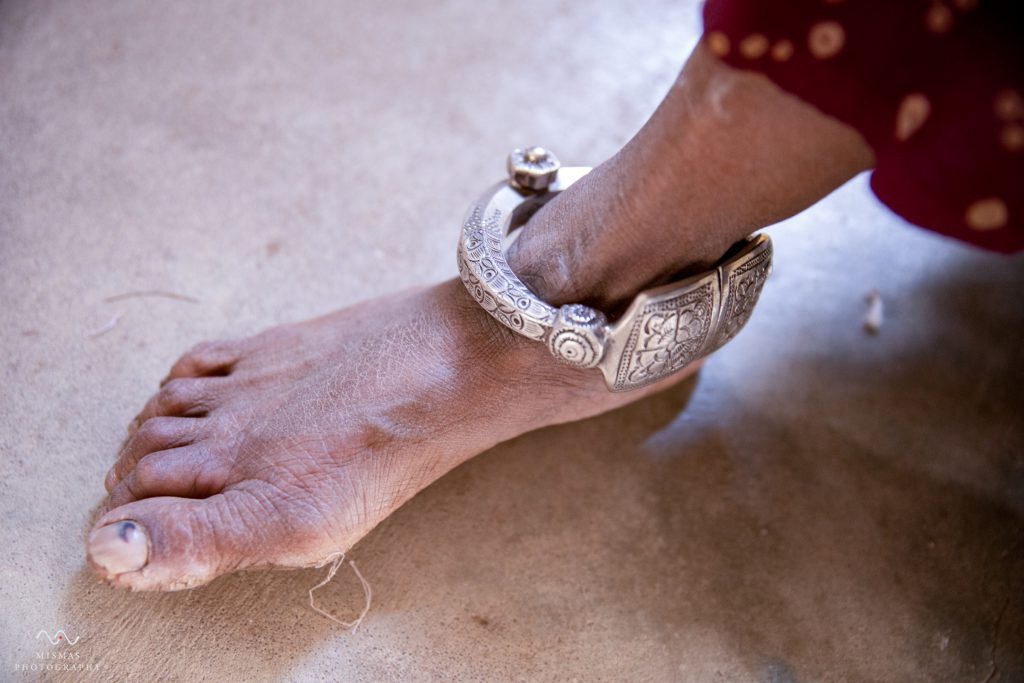
Even today, a traditional Jat woman can be seen wearing half a kilogram to one kilogram of fixed silver ornaments, usually placed on her ankles, which serve as a form of investment, functioning like a bank.
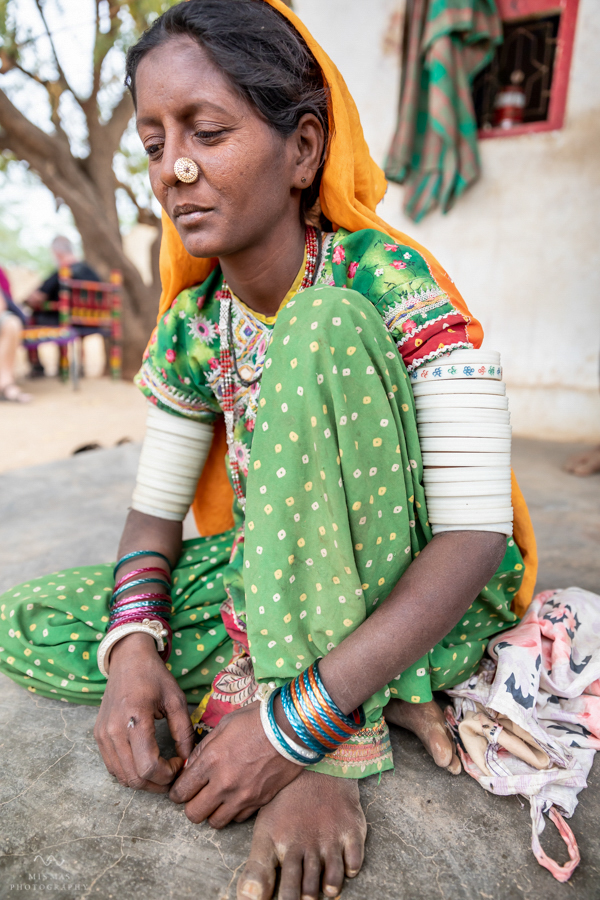
Nostril piercing began in Middle Eastern countries during the 16th century. Many women wear gold nose piercings to indicate their social, tribal, and religious status. The left nostril is often pierced because it is considered ideal according to Ayurvedic beliefs connected to female reproductive health. It is widely believed that piercing the left side can help reduce menstrual pain and make childbirth easier in the future.
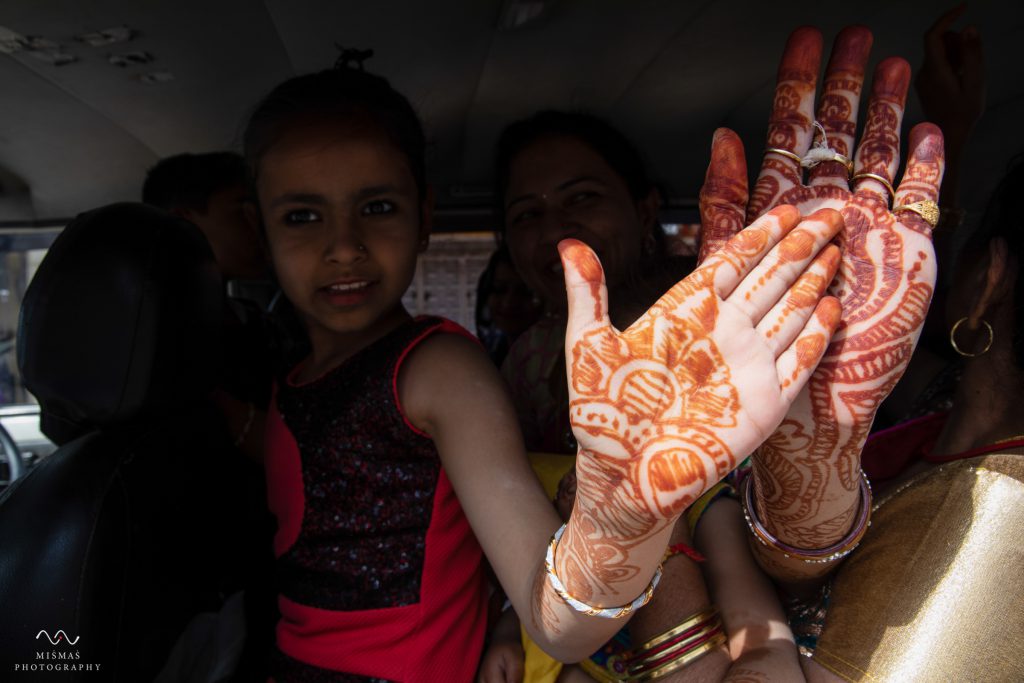
Tattoos by various nomadic communities across the country have been used for diverse reasons. Temporary tattoo art also has a deep-rooted cultural connection, which can be observed in children.
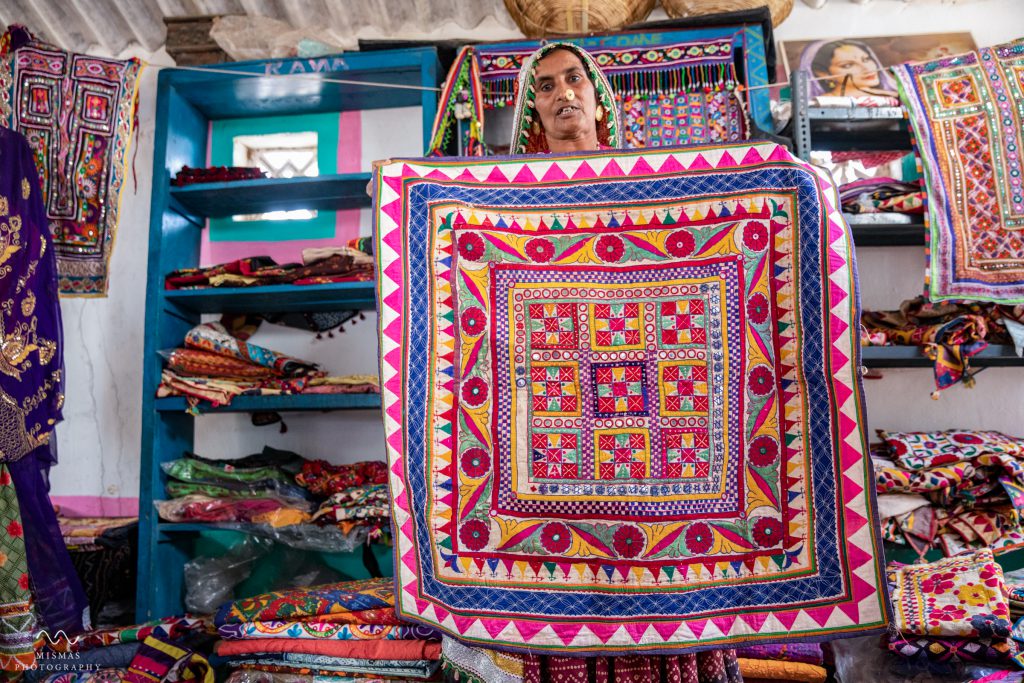
Most of the tribal women from various nomadic groups are skilled in needlework and intricate embroidery, using chain stitch to draw the patterns and adorn them with shining mirrors.
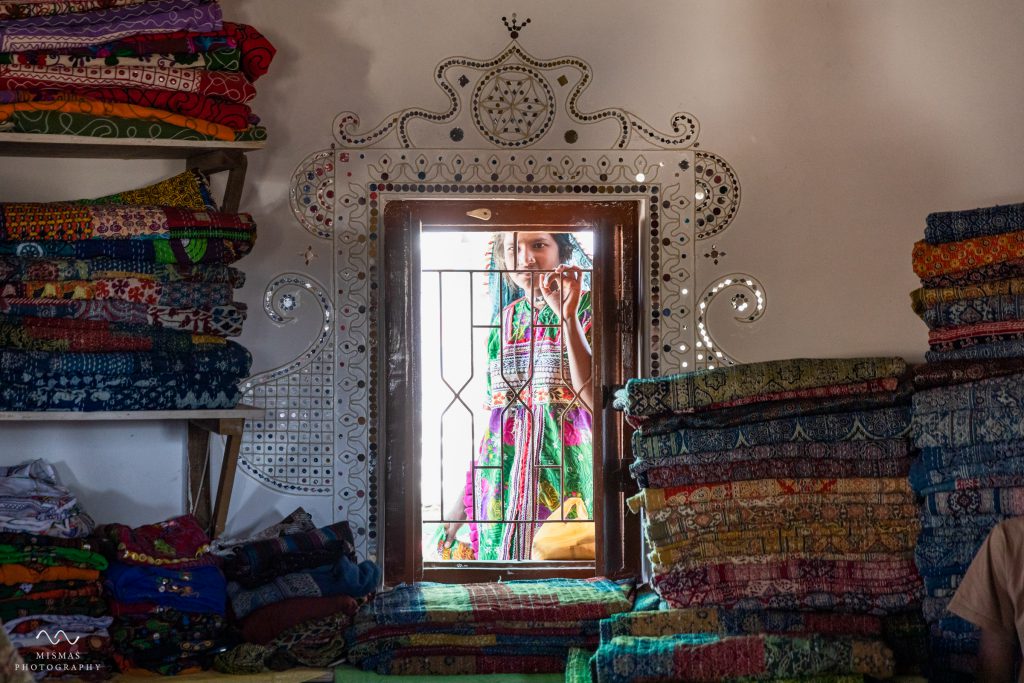
I am committed to expanding my knowledge of textiles, embroidery, and block printing. This journey will be truly rewarding!
EMBROIDERY AND BLOCK PRINTING
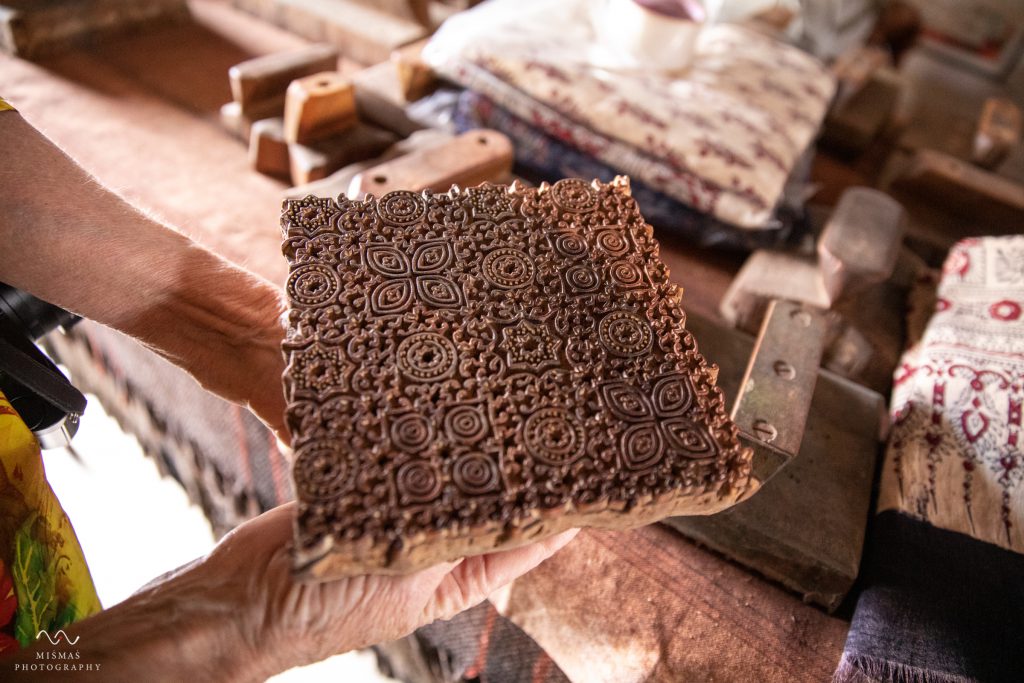
One of the printing styles is Ajrakh block printing, a valued fabric worn by Muslim and Dalit cattle herders in the villages of northern Kutch.
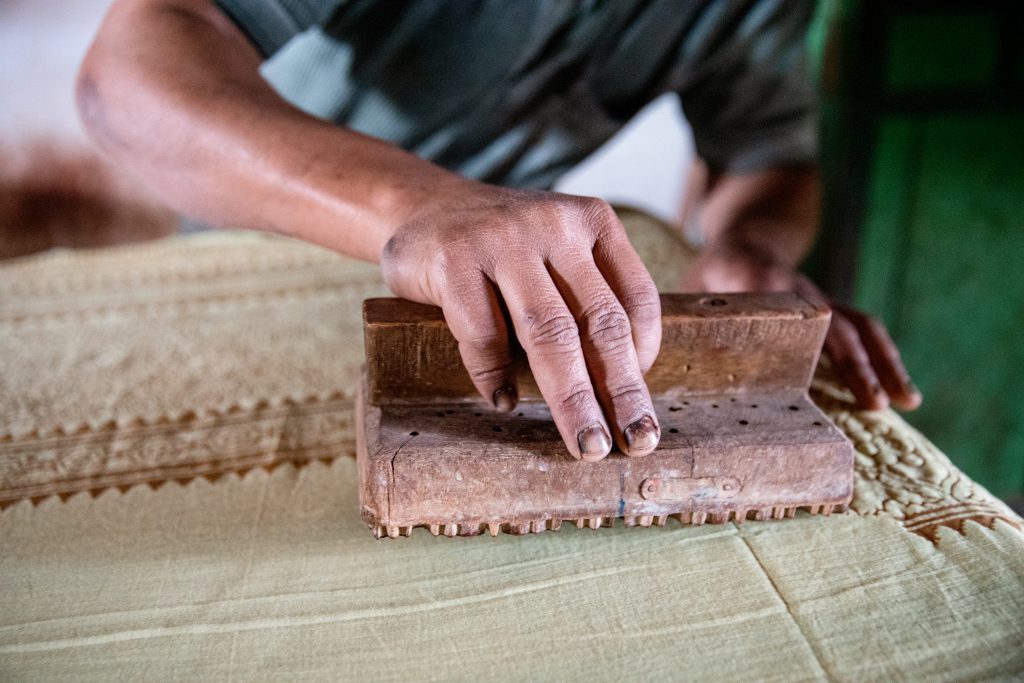
This region is mainly influenced by the presence of two notable castes: the Chhipas and the Khatris, each adding to the area’s rich cultural fabric.
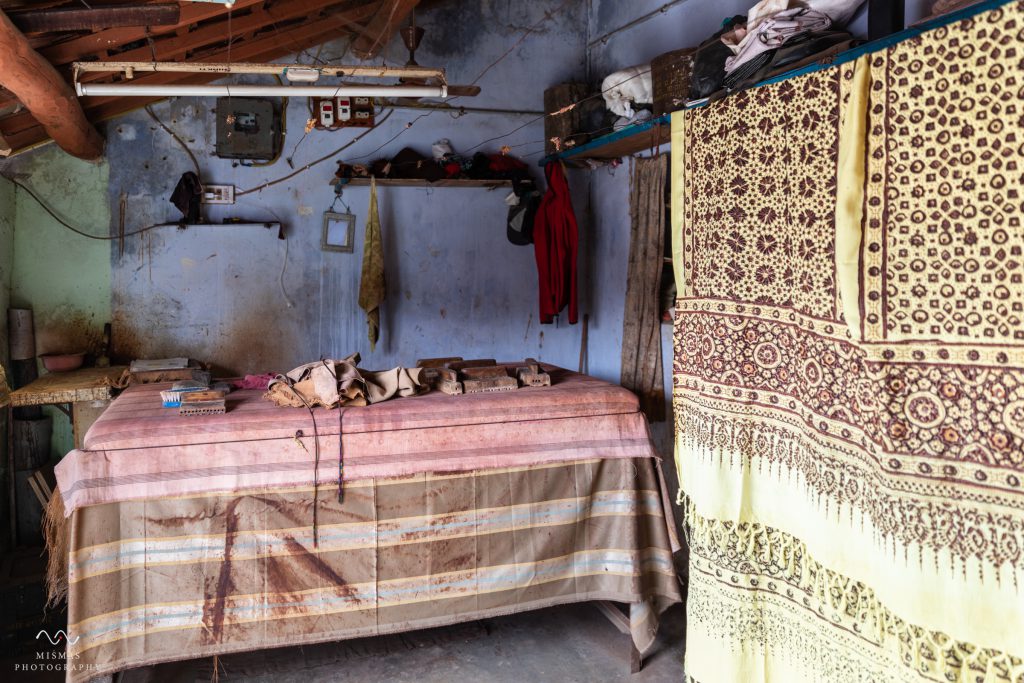
This distinctive printing style beautifully enhances Indian ethnic wear such as salwar kameez, kurtis, men’s kurtas, and more! It also adds a warm charm to your home with textured wallpapers, cushion covers, and bedspreads. Each item truly transforms your wardrobe and living space into something exceptional and vibrant!
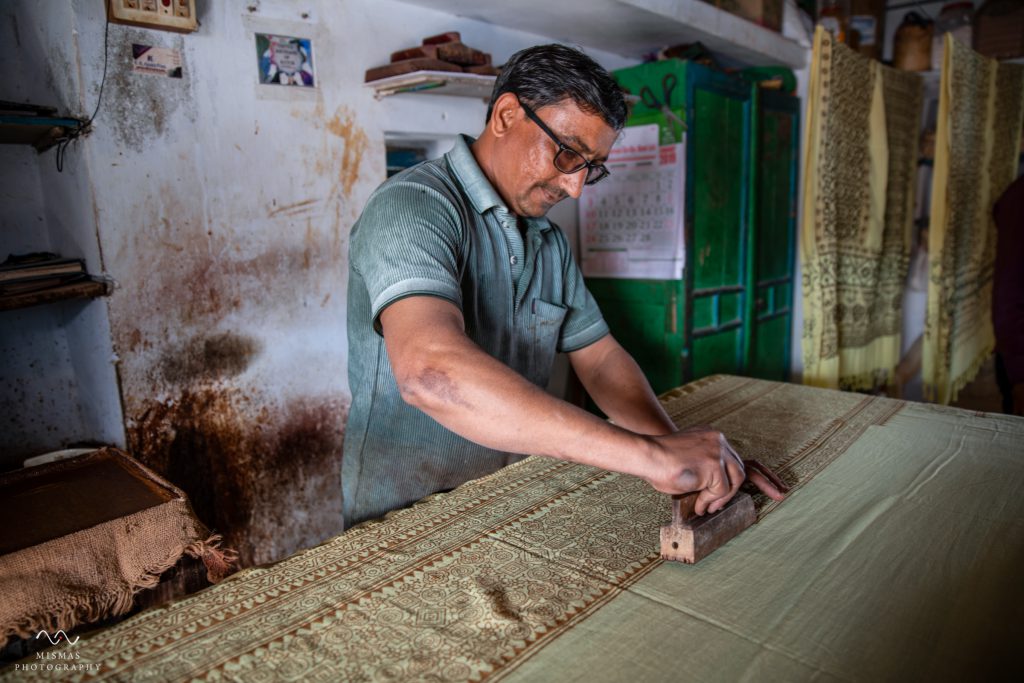
Men mainly carry out block printing, but almost the entire village participates in the process. In response to climate change and globalisation, they work exclusively with eco-friendly materials.
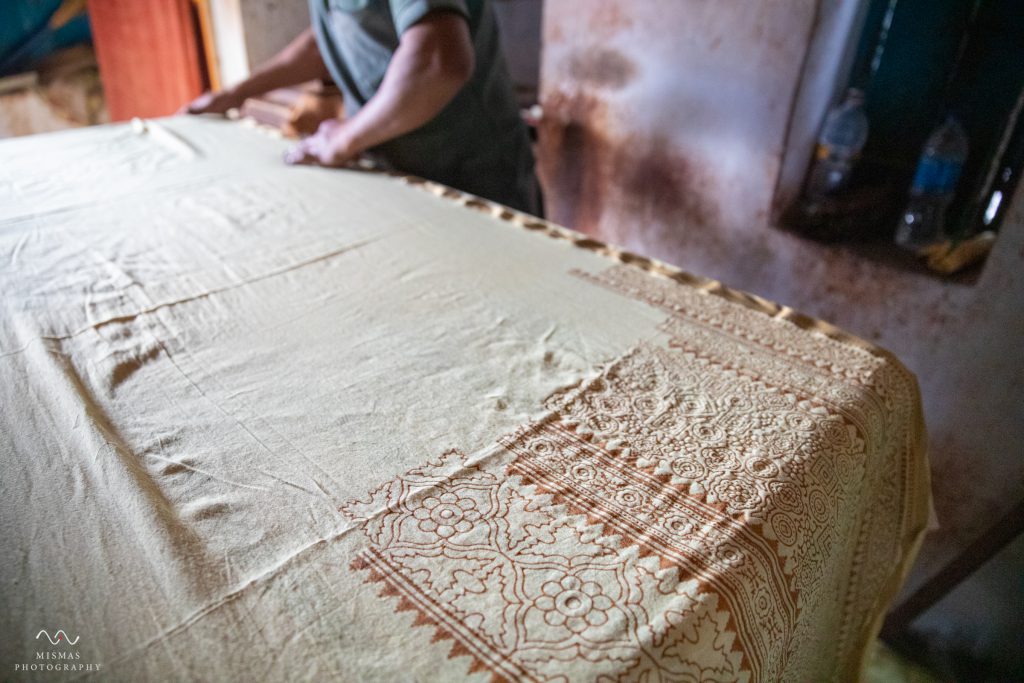
I tried one of the techniques myself and must admit it takes a long time to print the fabric fully by hand. For me, completing just two lines took about 20 minutes. There were at least 200 lines left to finish the entire project.
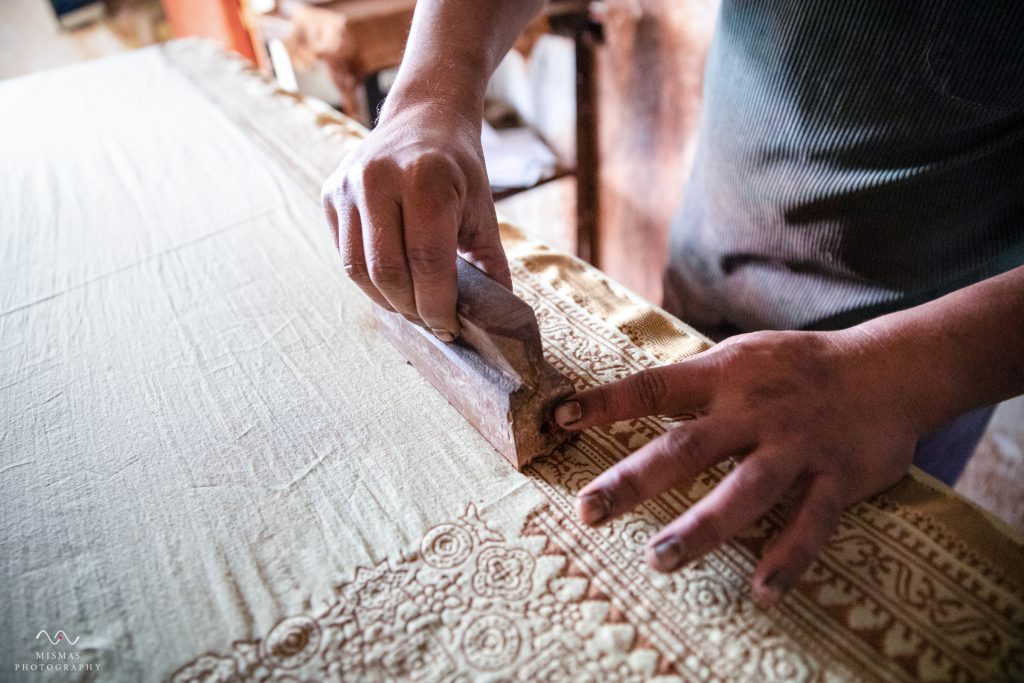
The genuine Ajrak usually measures about 2.5 to 3 metres in length and is printed on both sides.
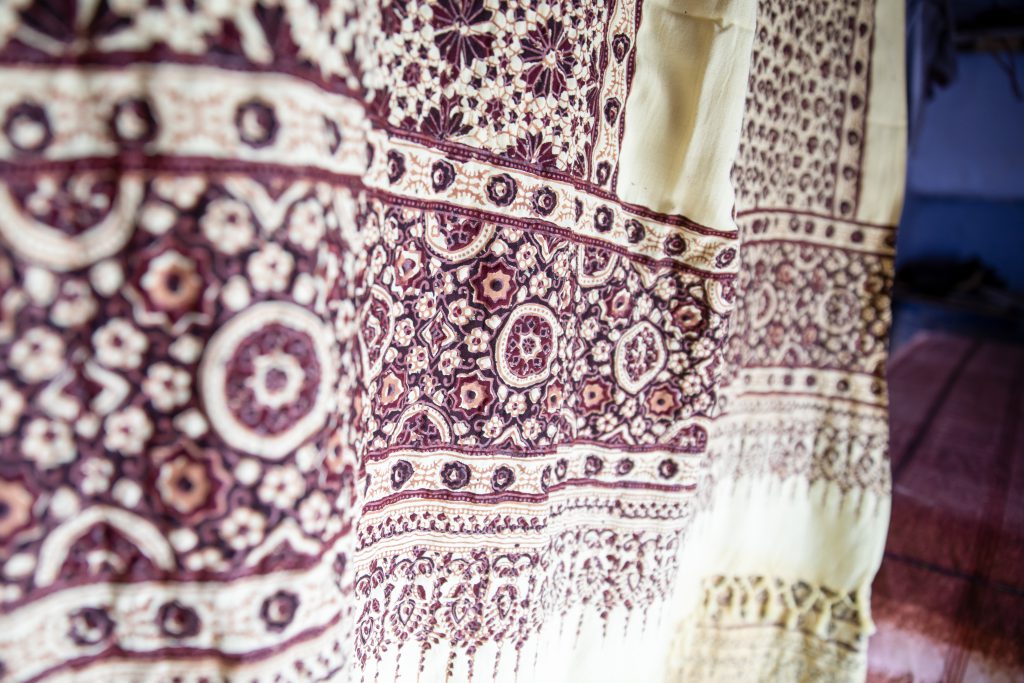
Every process has 14 to 16 key stages and takes more than a week to deliver a high-quality finished product, ensuring you receive only the best results.
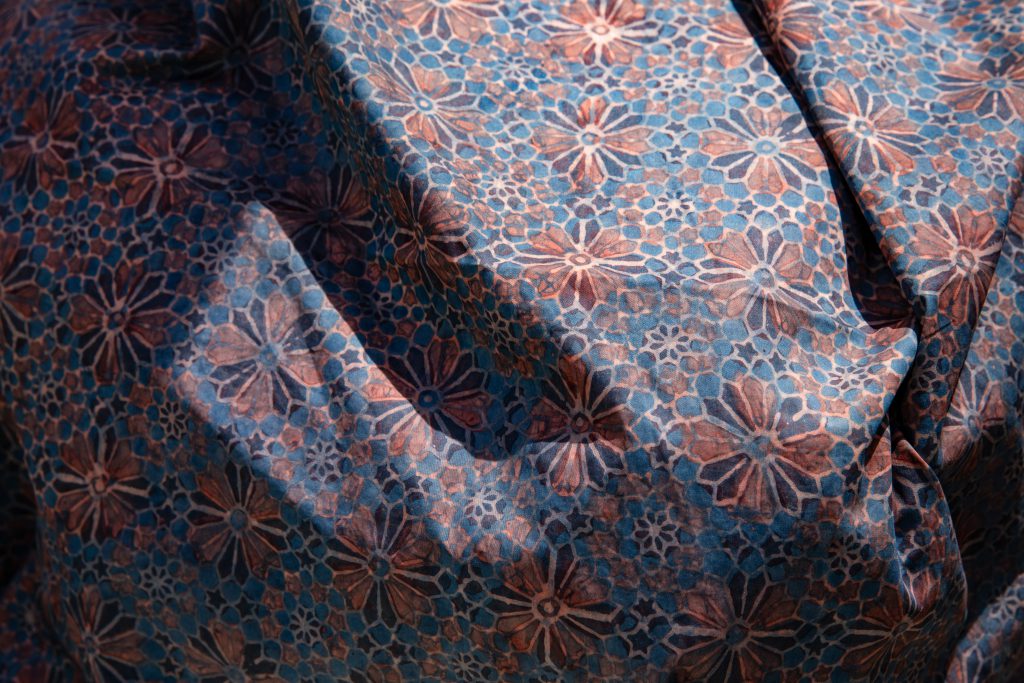
Witnessing the considerable effort invested in the development process undeniably evokes a strong emotional response.
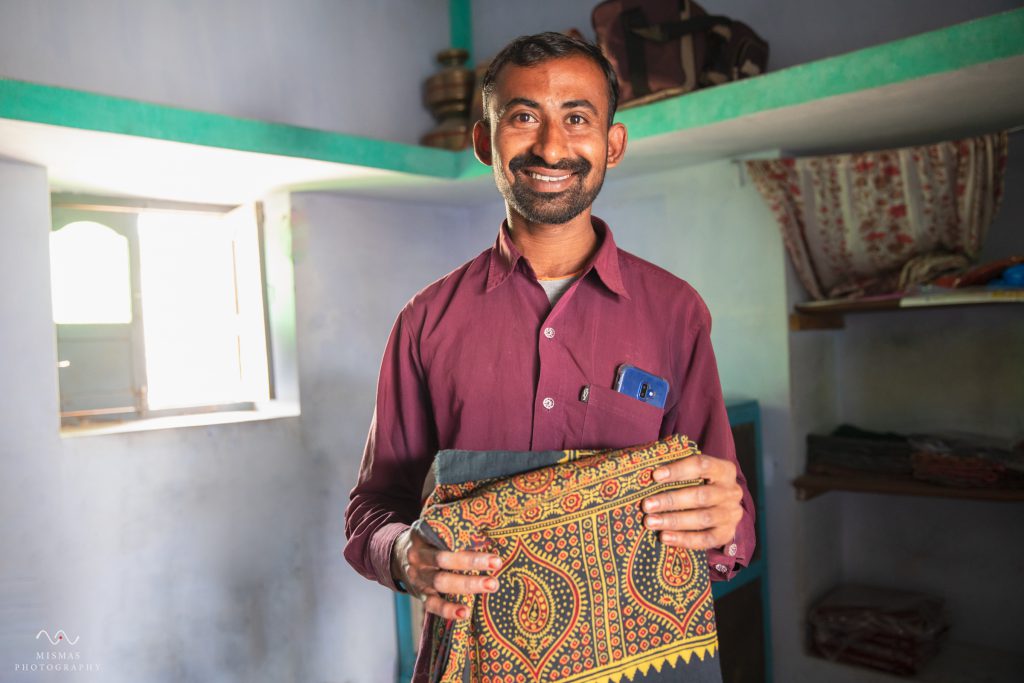
For under 20 euros, you receive the most beautiful thing you’ll ever see, directly from the artist. Cherish it.
“A camera is a tool for learning how to see without a camera.”
– Dorothea Lange –