Prepare to embark on an unforgettable journey through the breathtaking and pristine landscape of the Great Rann of Kutch, a distinctive region encompassing both wetlands and deserts.


White desert

Indian tribes
November 5, 2019
Arrowheads from Gujarat
November 7, 2019WHITE DESERT
Little Rann of Kutch
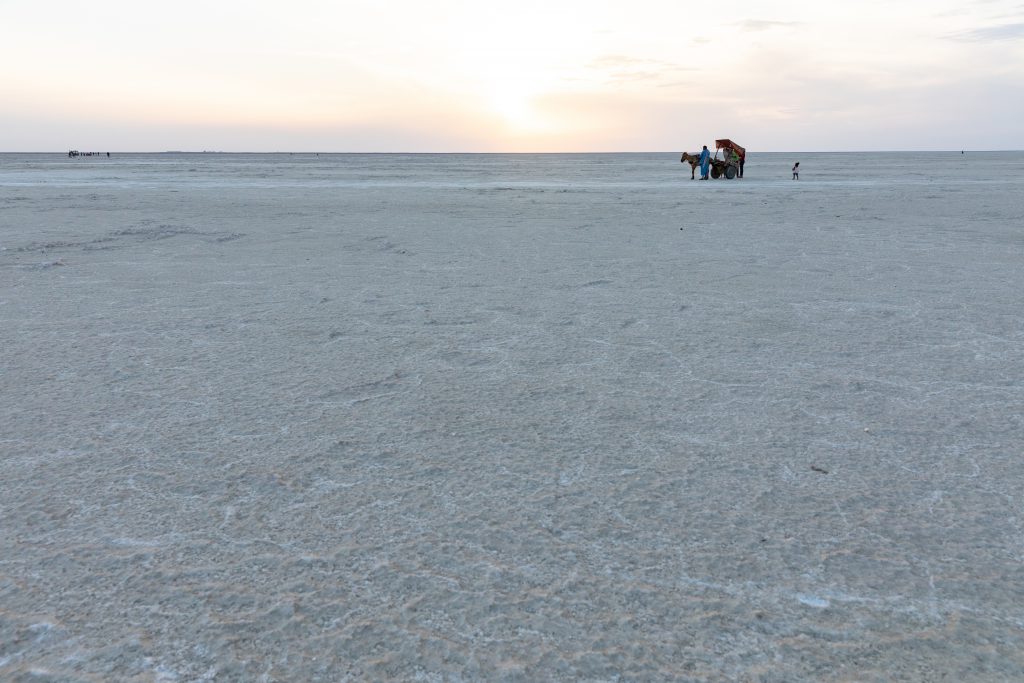
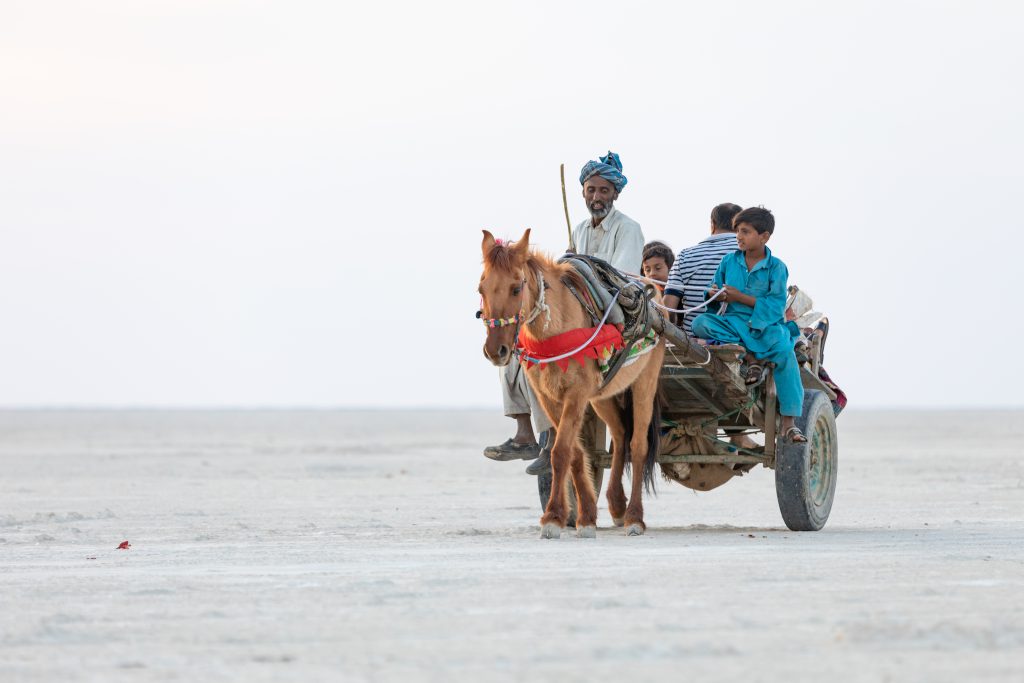
Explore a stunning white desert that sparkles like a diamond amidst the expansive Thar Desert and the magnificent Arabian Sea, mainly located in Gujarat, right along the border with Pakistan.
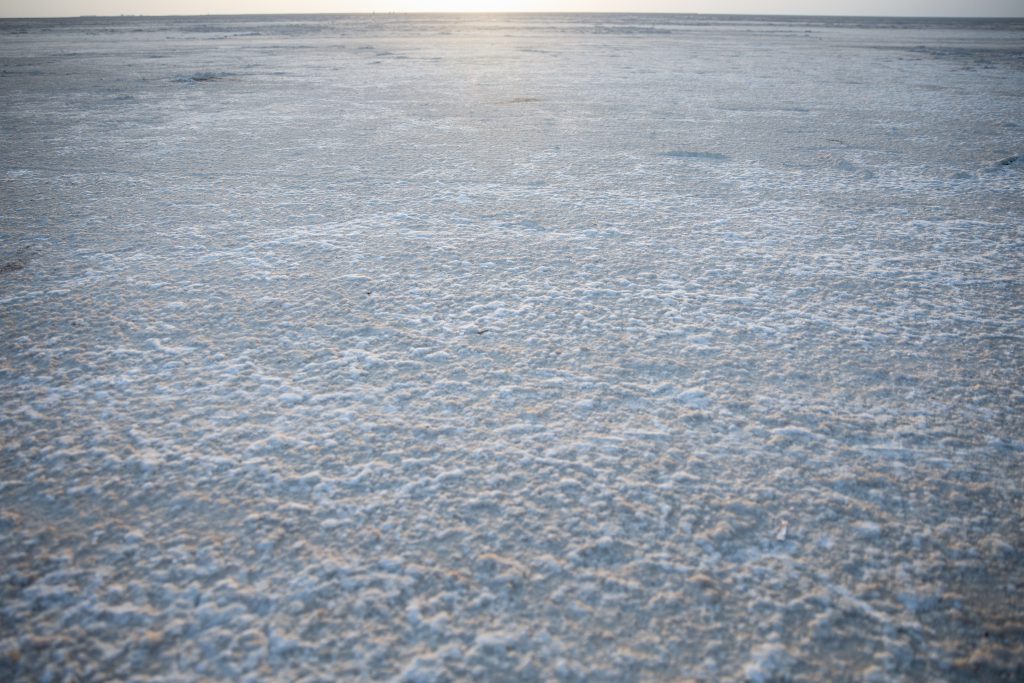
In a captivating journey through time, the Arabian Sea receded, leaving behind a unique desert landscape that conceals valuable salt deposits. Here, gentle winds softly sing as they dance over the ever-shifting sands, inviting exploration and discovery!
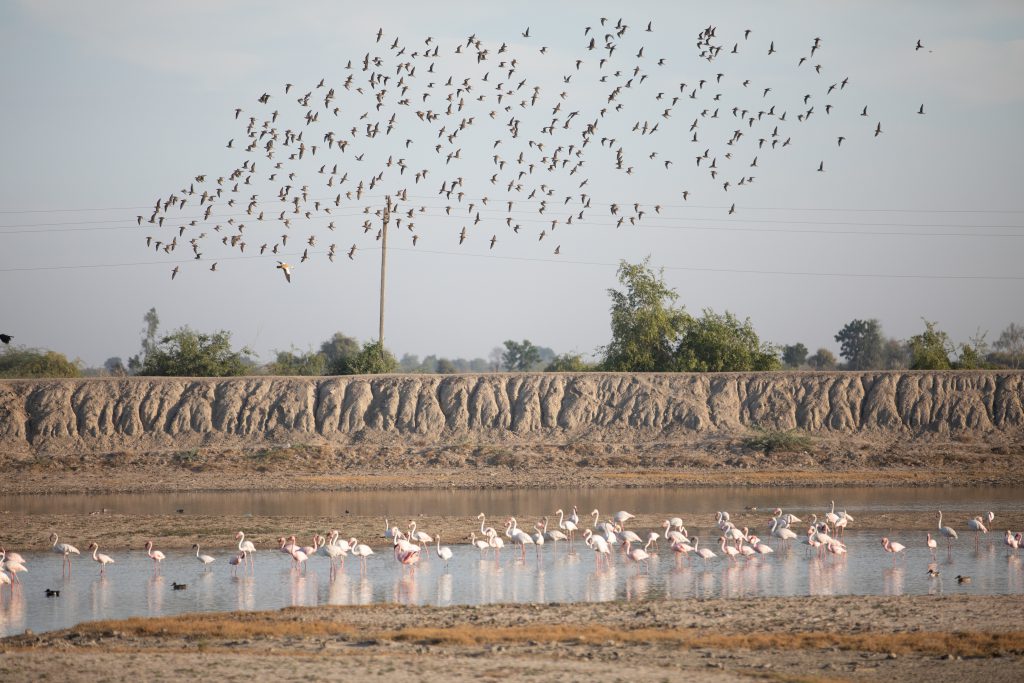
This extraordinary location boasts over 32 species of mammals, along with a variety of migratory waterbirds that travel from Europe, Siberia, and Africa. Discover the beauty and diversity of wildlife like never before!
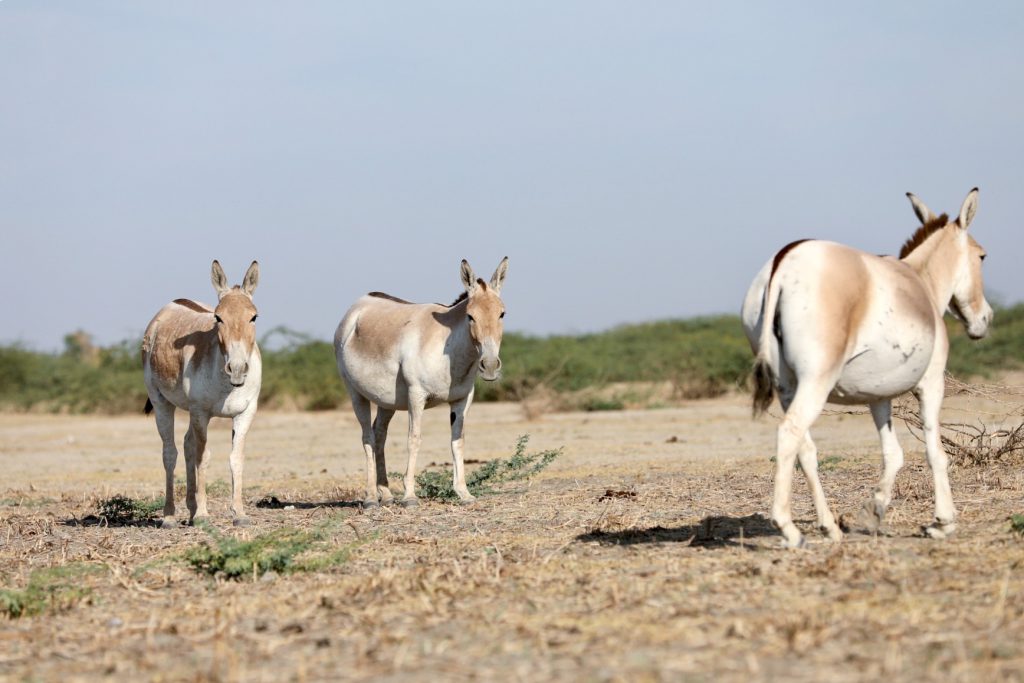
The Asiatic Wild Ass, or “Ghudkhur,” is a remarkable member of the equid family, which also includes horses, zebras, and donkeys. Found only in the unique landscapes of the Little Rann of Kutch and Nepal, this endangered species warrants our attention and protection to ensure its survival.
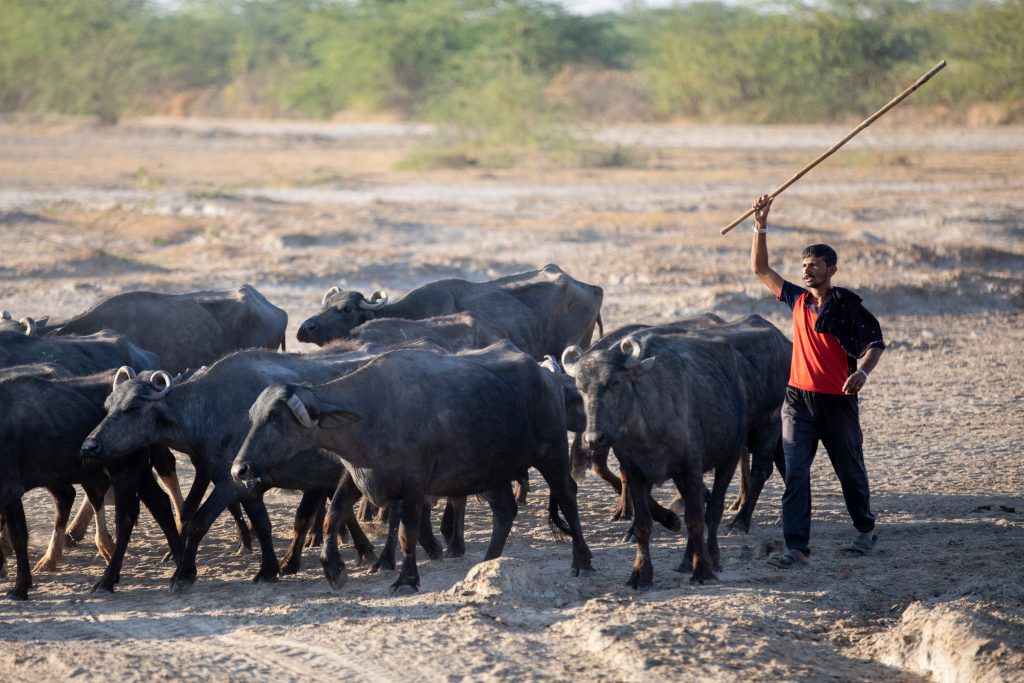
Observe the remarkable Rabari Tribe as they emerge from the mesmerizing salt desert, tirelessly seeking water and trekking nearly 1000 miles across seasons. They live in harmony with their herds, eating only when their animals do, demonstrating their deep connection to nature and survival.
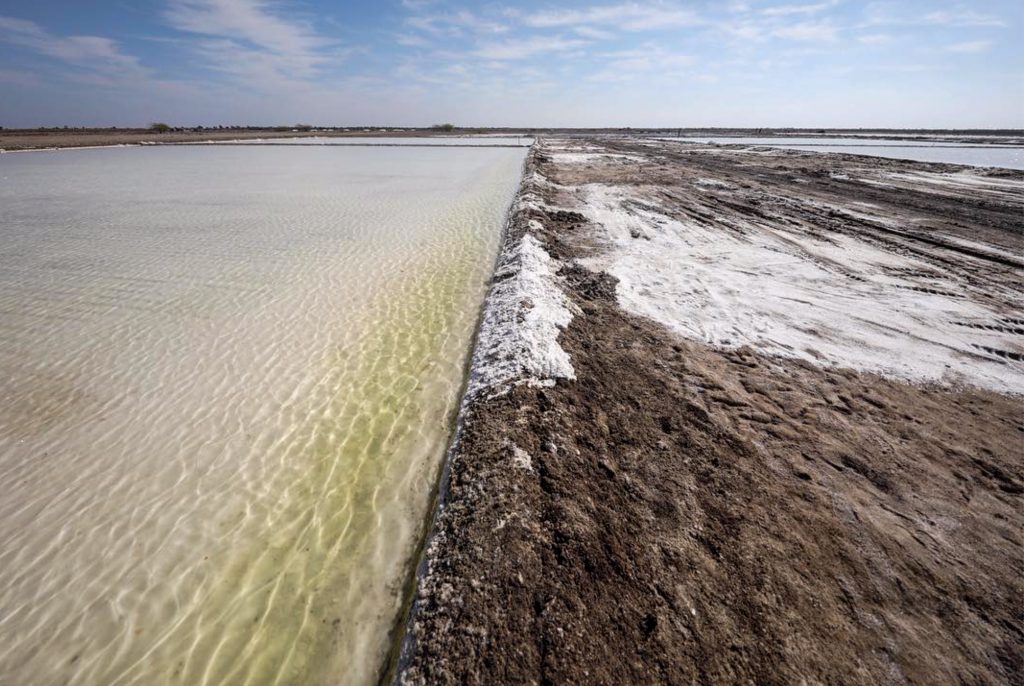
The vast saline beauty of the Little Rann of Kutch dazzles with captivating reflections, shaped by lively weather, creating an endless landscape that invites exploration and wonder at every turn.
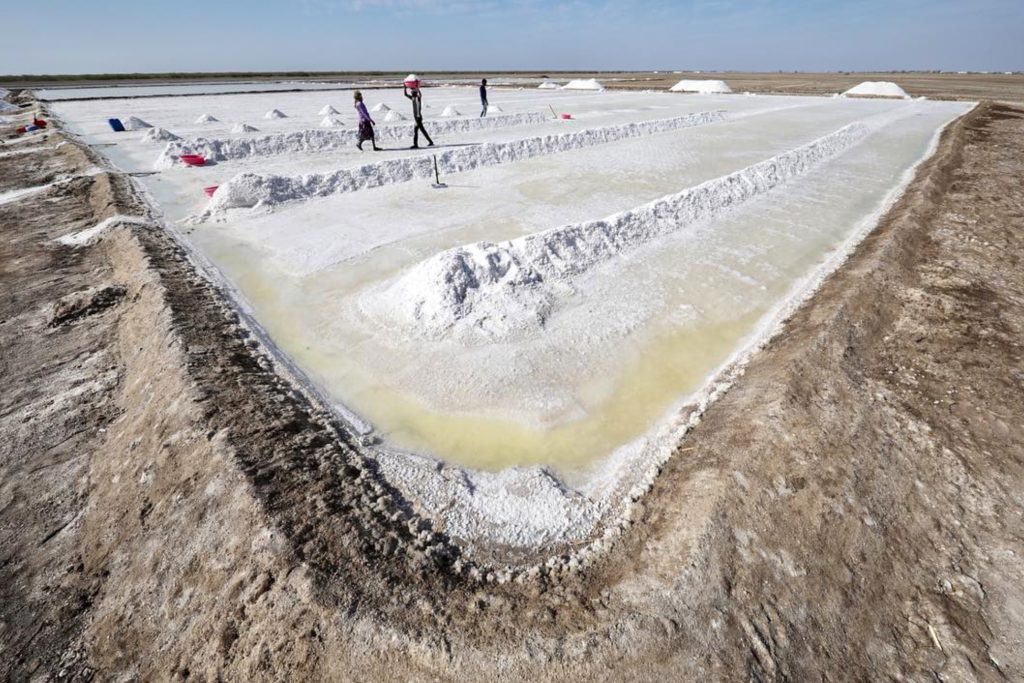
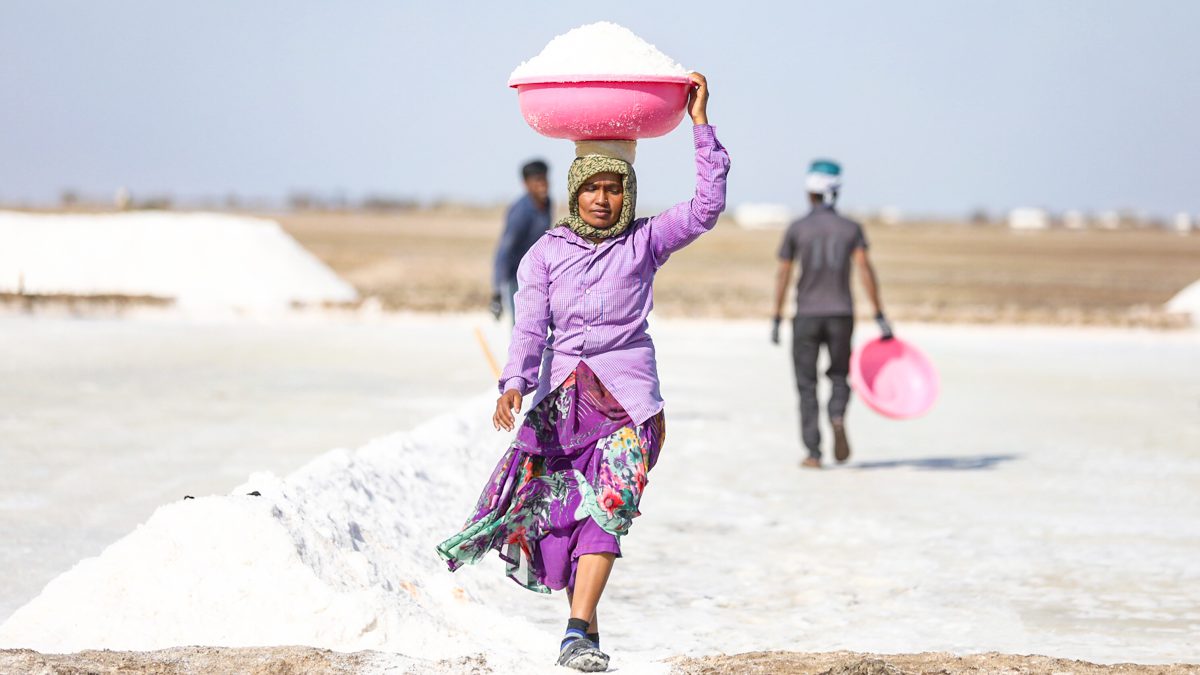
During the monsoon months, the Rann of Kutch is submerged in a sea of water and dries out for the rest of the year when workers move in to elaborate the process of salt farming.
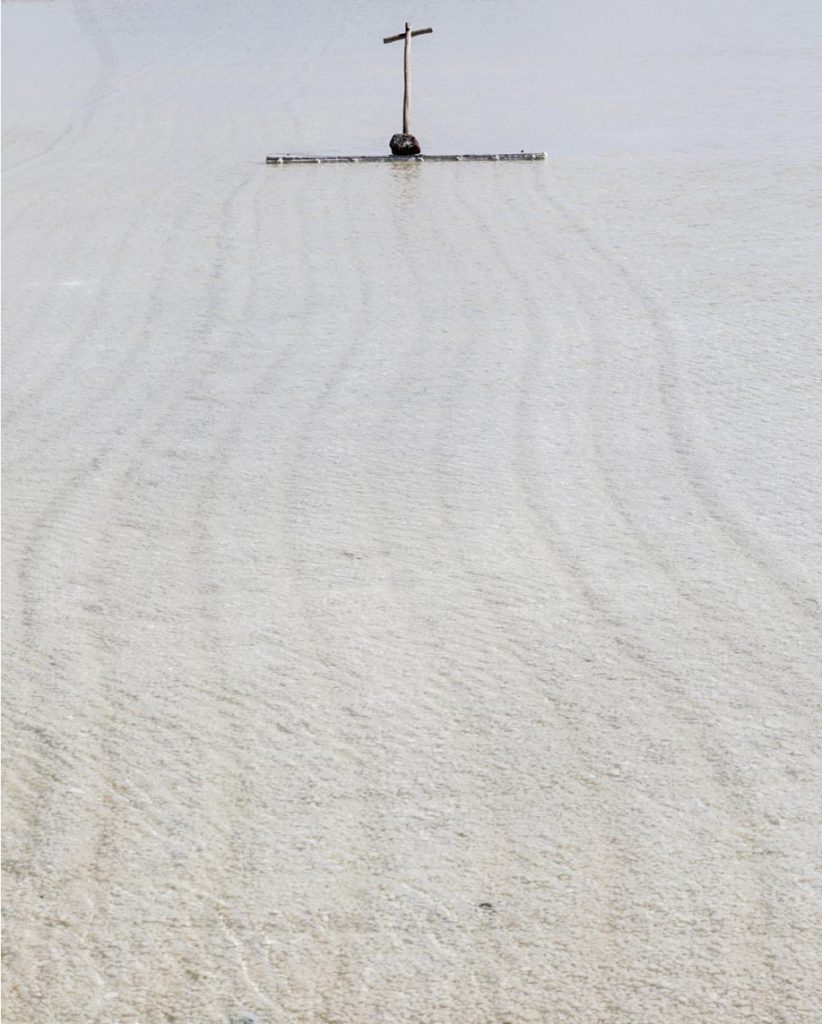
Salt has long been a symbol of India’s struggle for independence since Gandhi’s famous Salt March in 1930.
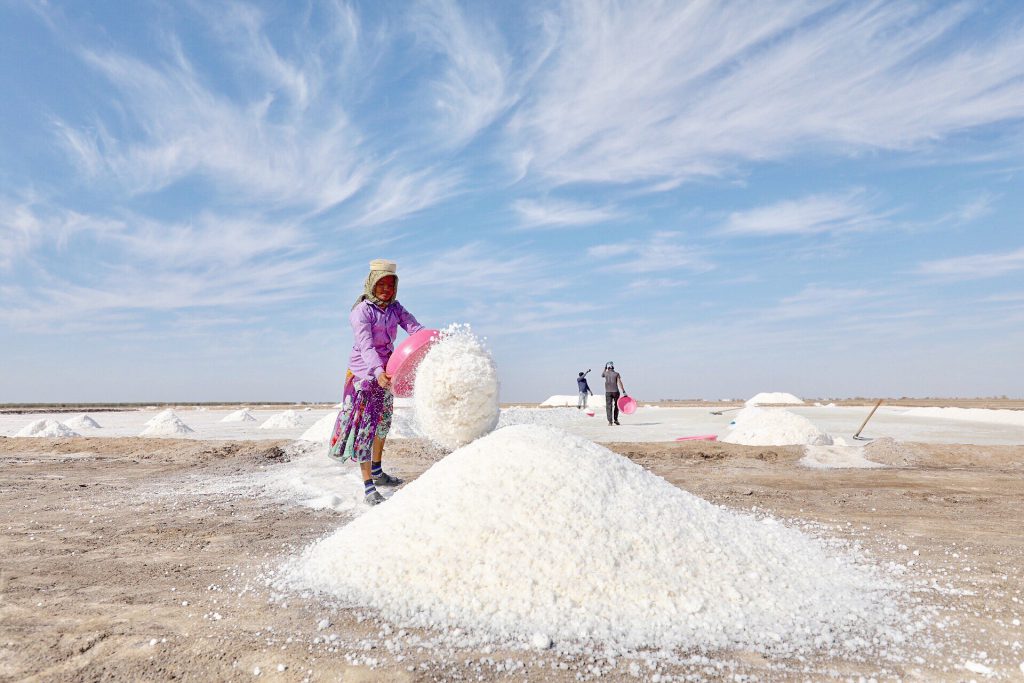
Centuries ago, the descendants of Pakistani immigrants devised an innovative method to store rainwater, a skill that has now become a hallmark of Gujarati natives.
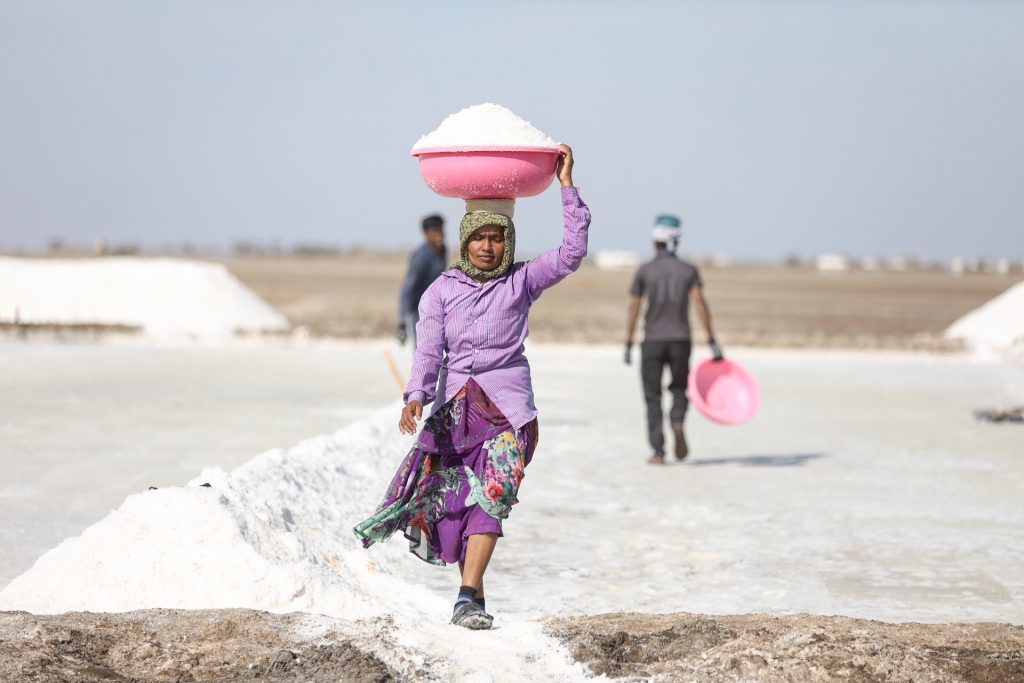
They have developed an innovative harvesting system by digging wells and connecting them with pumps, ensuring efficient water collection and utilisation.
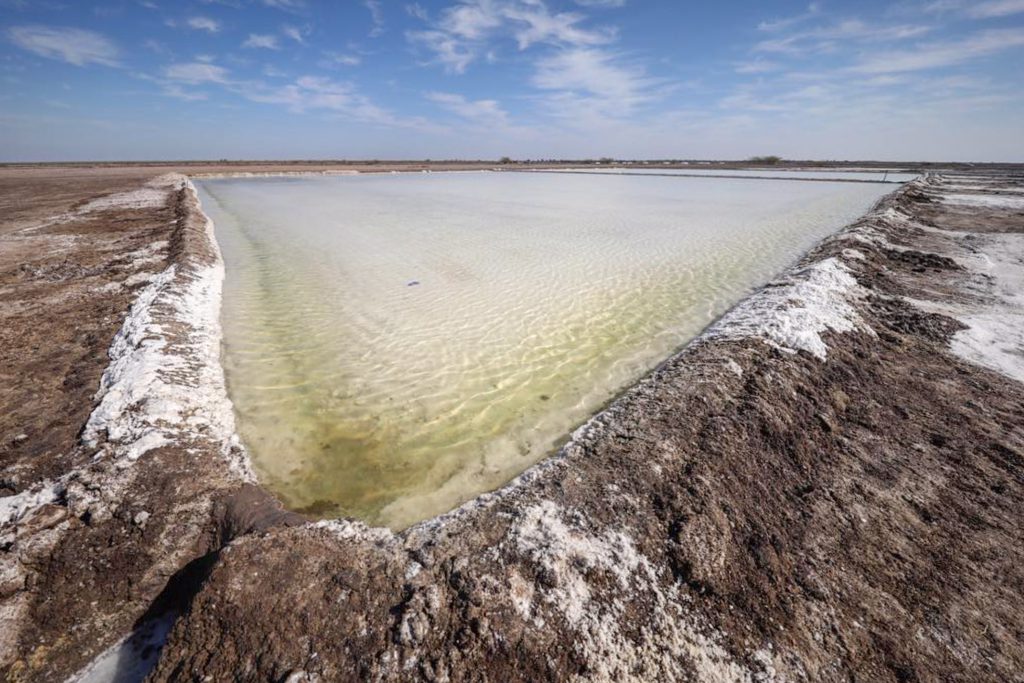
It efficiently directs saline water from the wells into the drying pans, located roughly 12,192 metres (40 feet) beneath the crust, ensuring optimal evaporation and resource use.
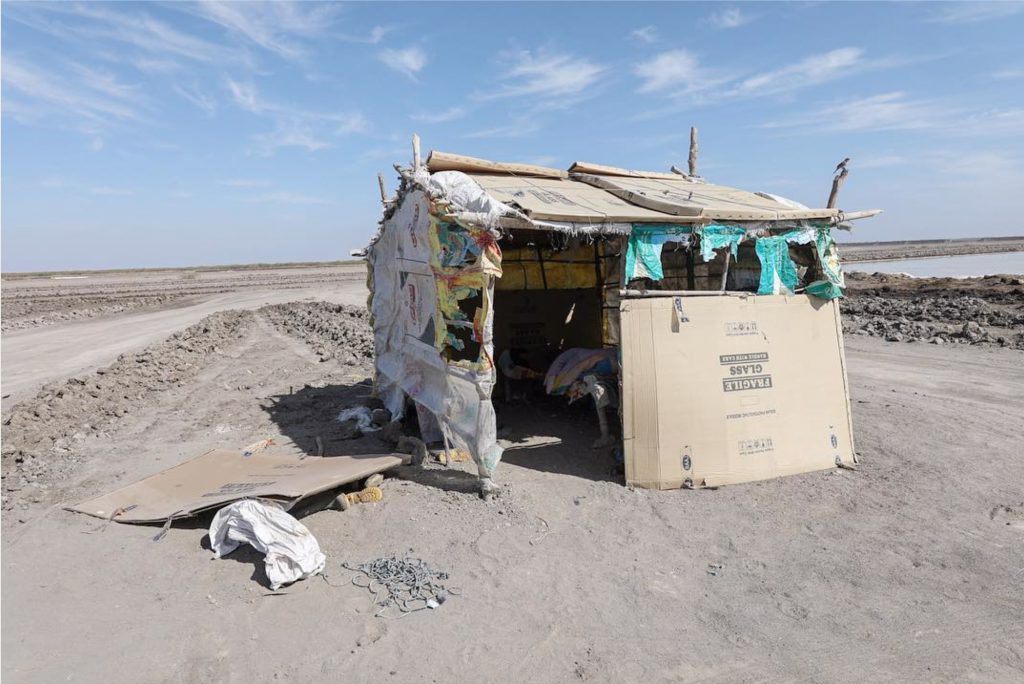
Approximately 45,000 people, along with their families, work as salt harvesters, earning about 40-60 Indian rupees per bag of salt weighing roughly 100kg. If I convert 60 Indian rupees for you, that would be less than a euro.
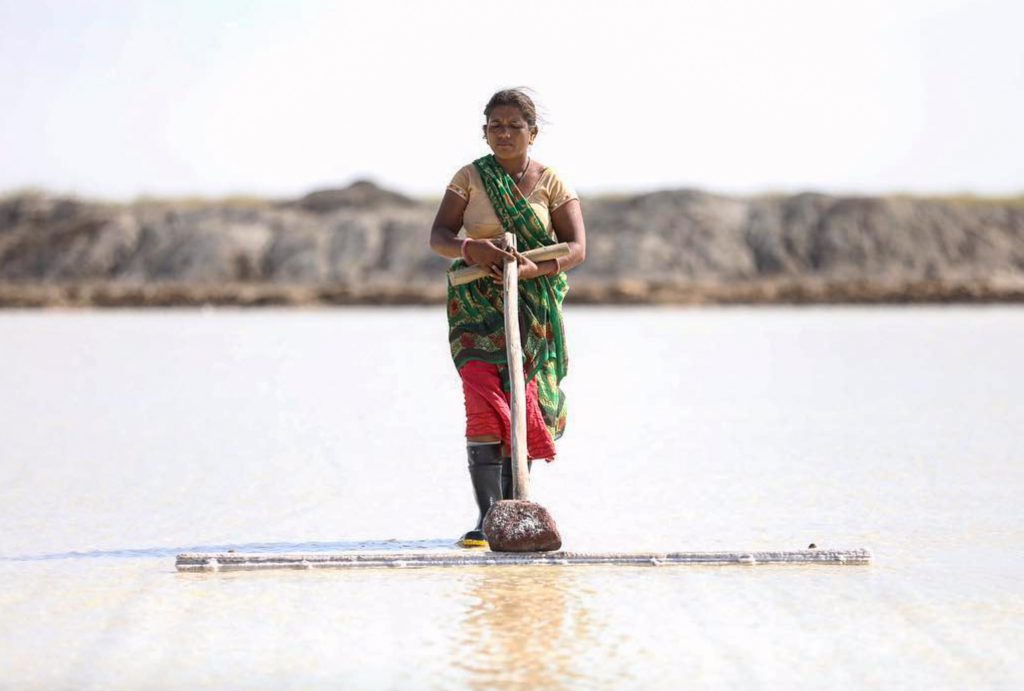
Natives involved in sea farming work long hours every day under a scorching sun, standing in salty water with no proper protection…
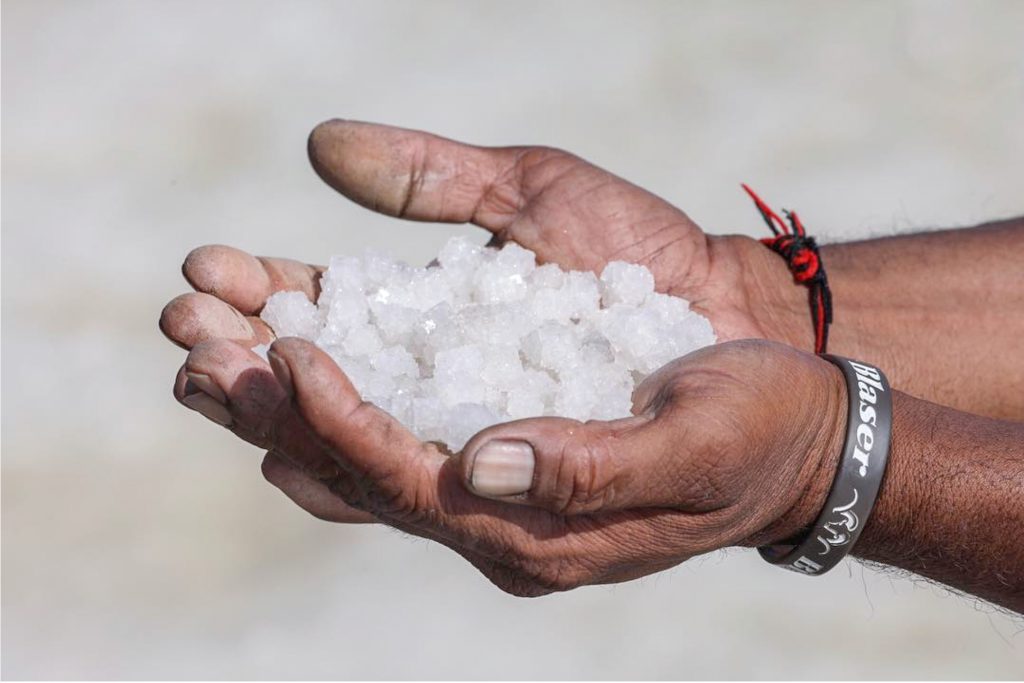
Many people are suffering serious skin inflammation due to excessive sun exposure, alongside other critical health problems such as blindness, gangrene, and tuberculosis. It is crucial to address these conditions to protect the well-being of those affected.
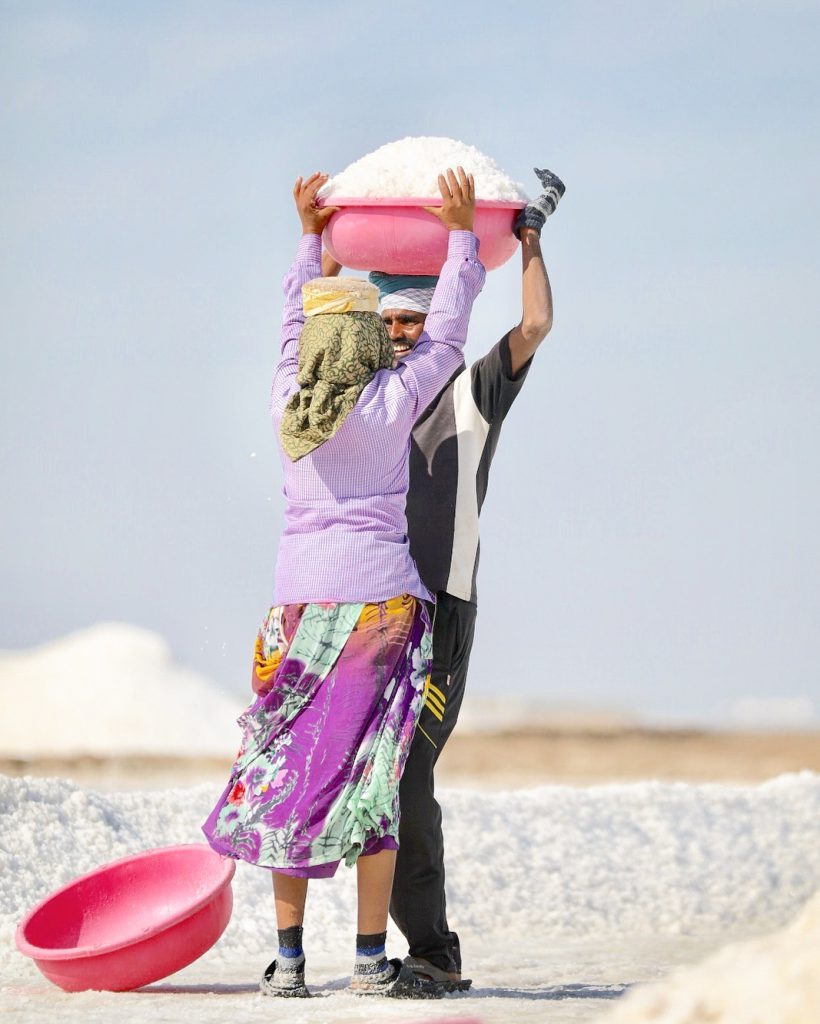
Despite the hard work under the scorching sun, goodwill and love blossomed at every stage.
“They say a person needs just three things to be truly happy in this world: someone to love, something to do, and something to hope for.”
―