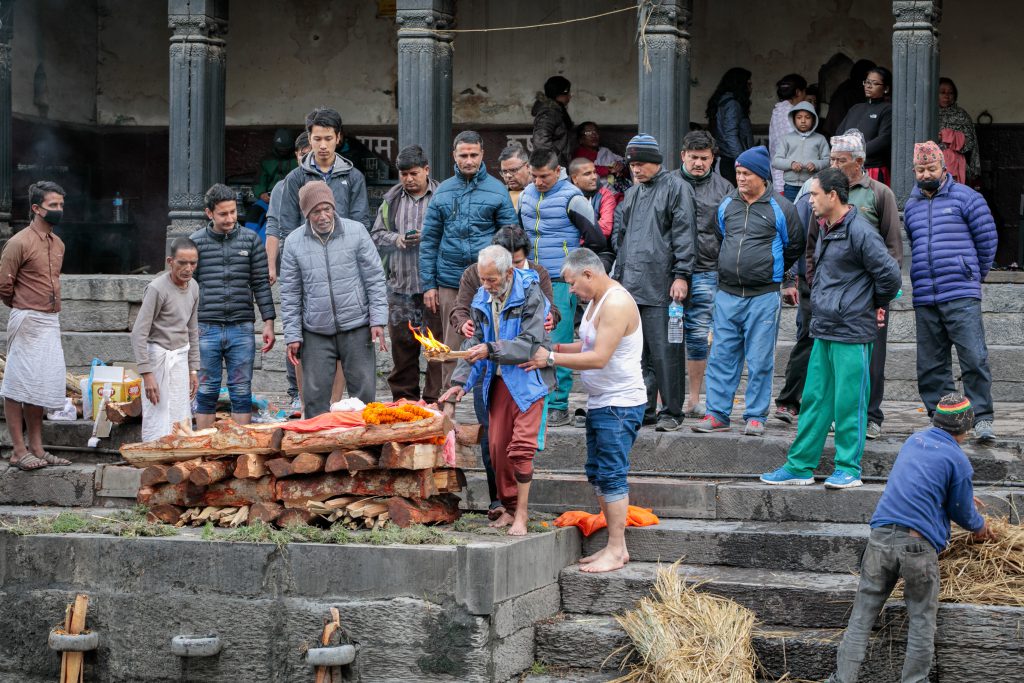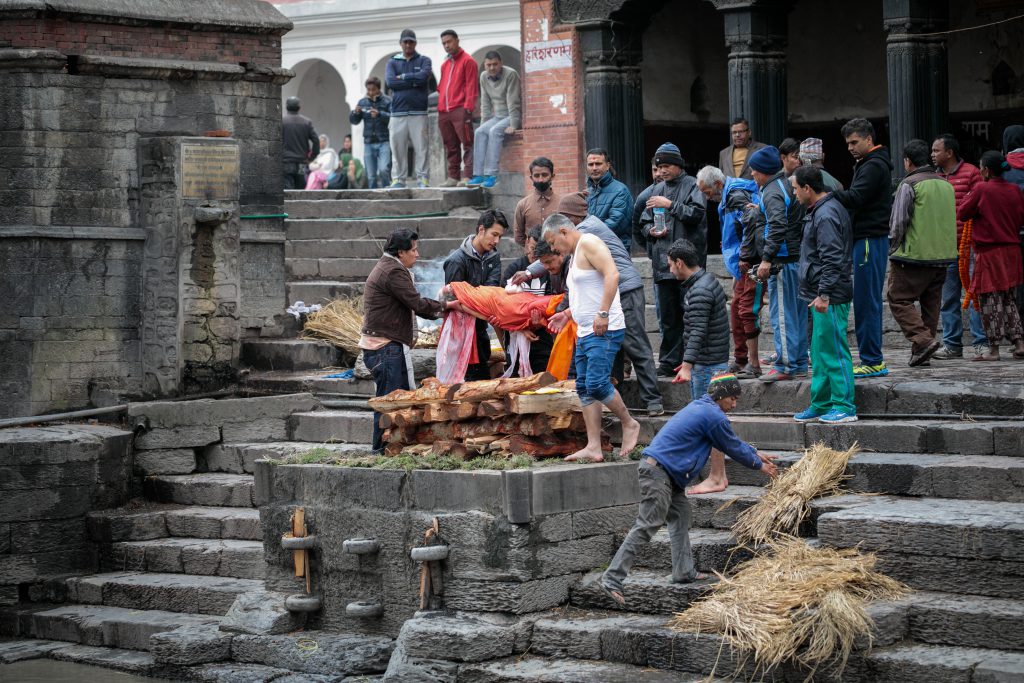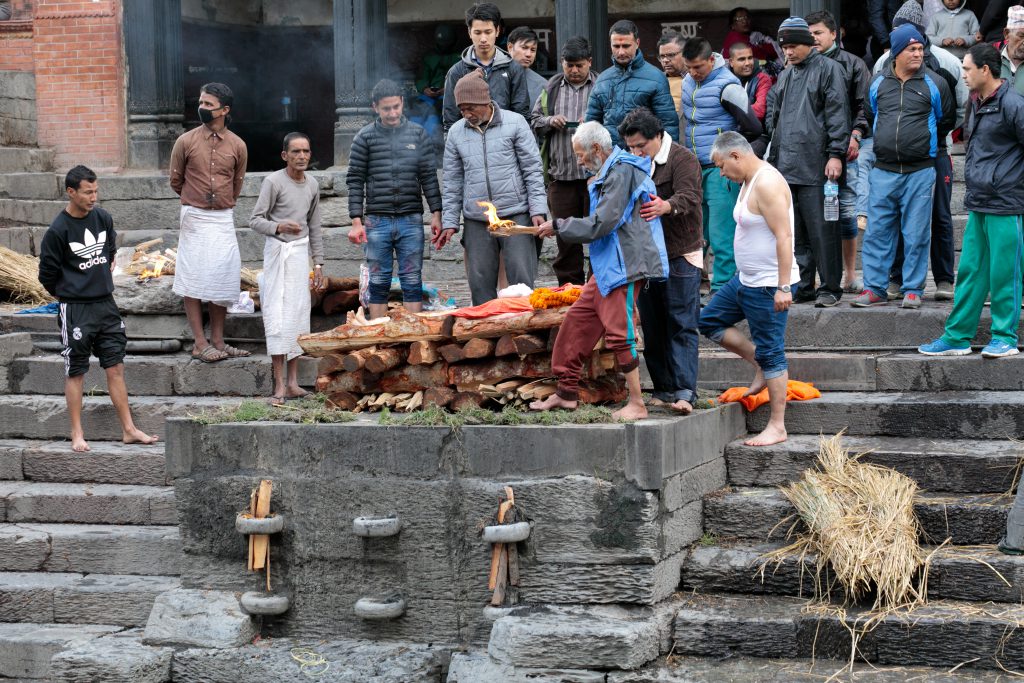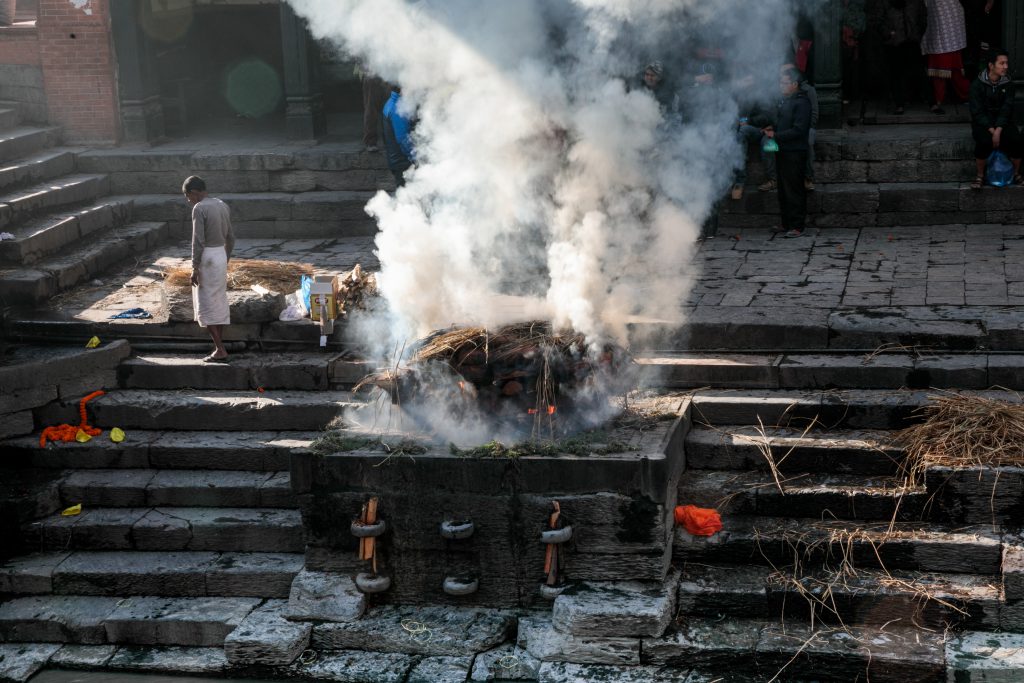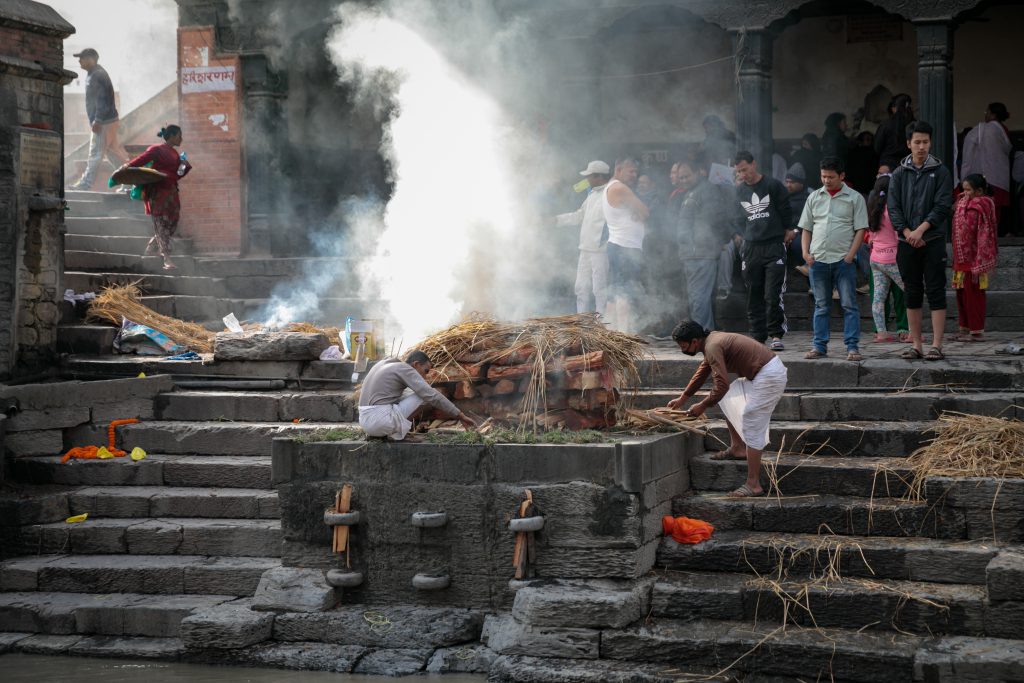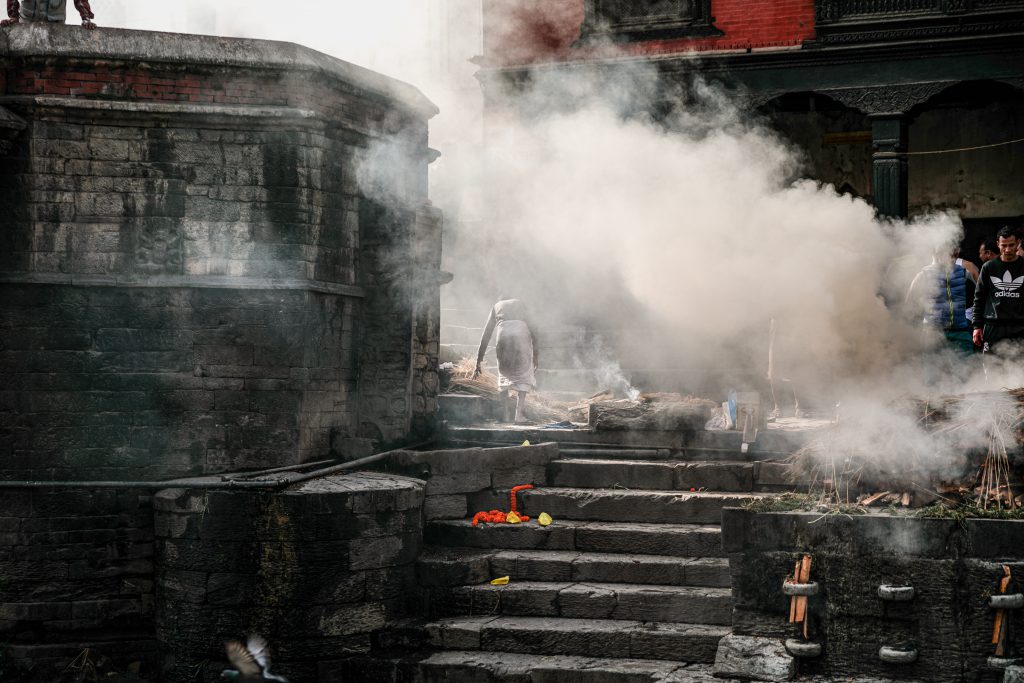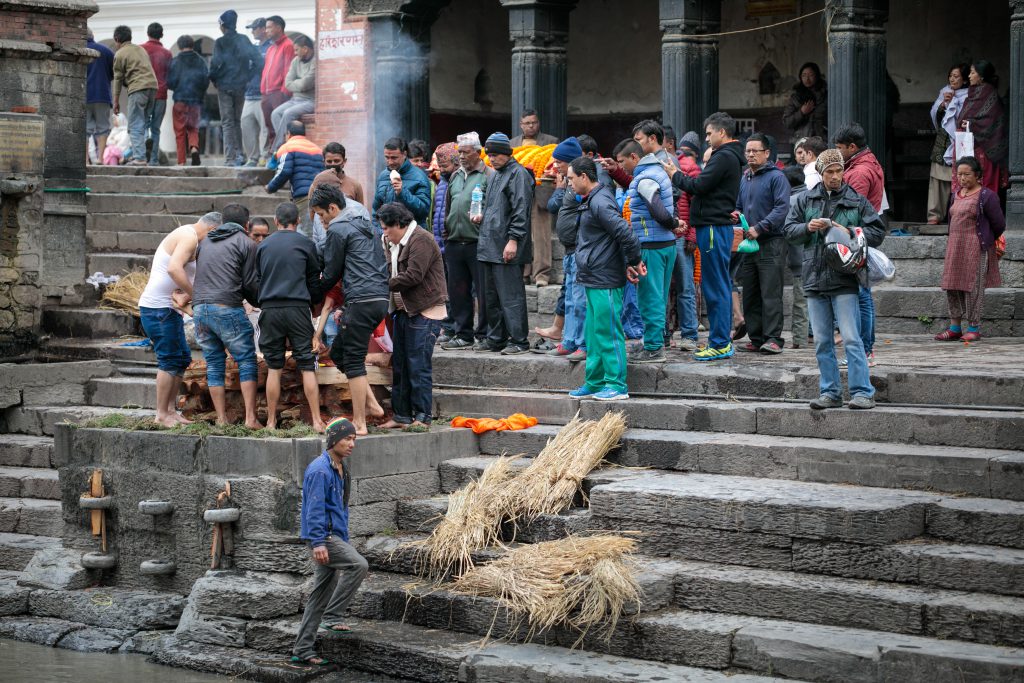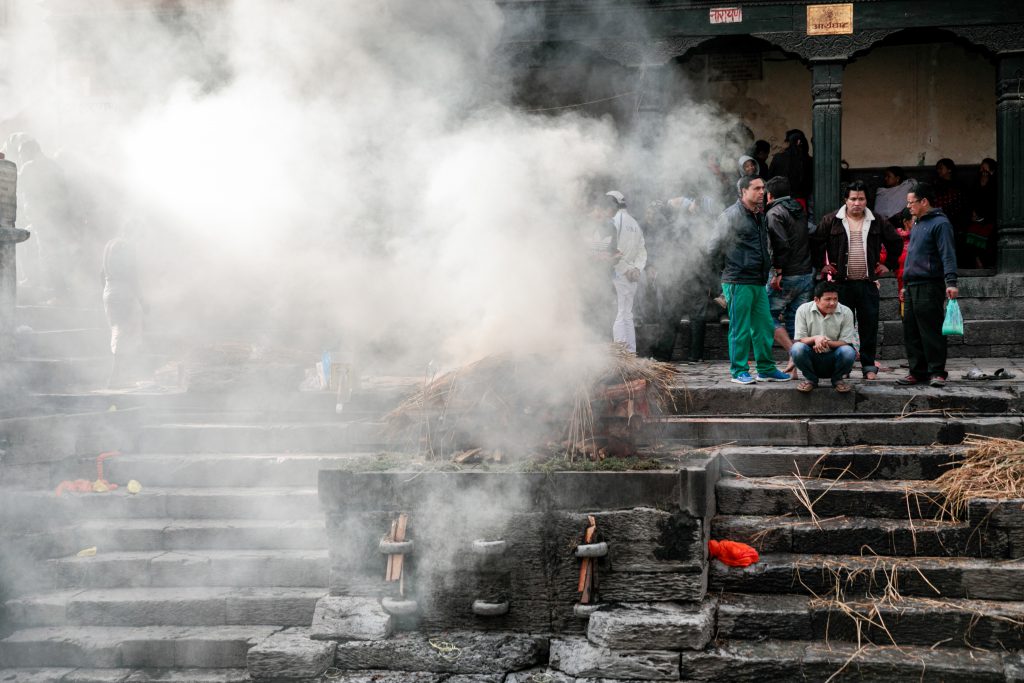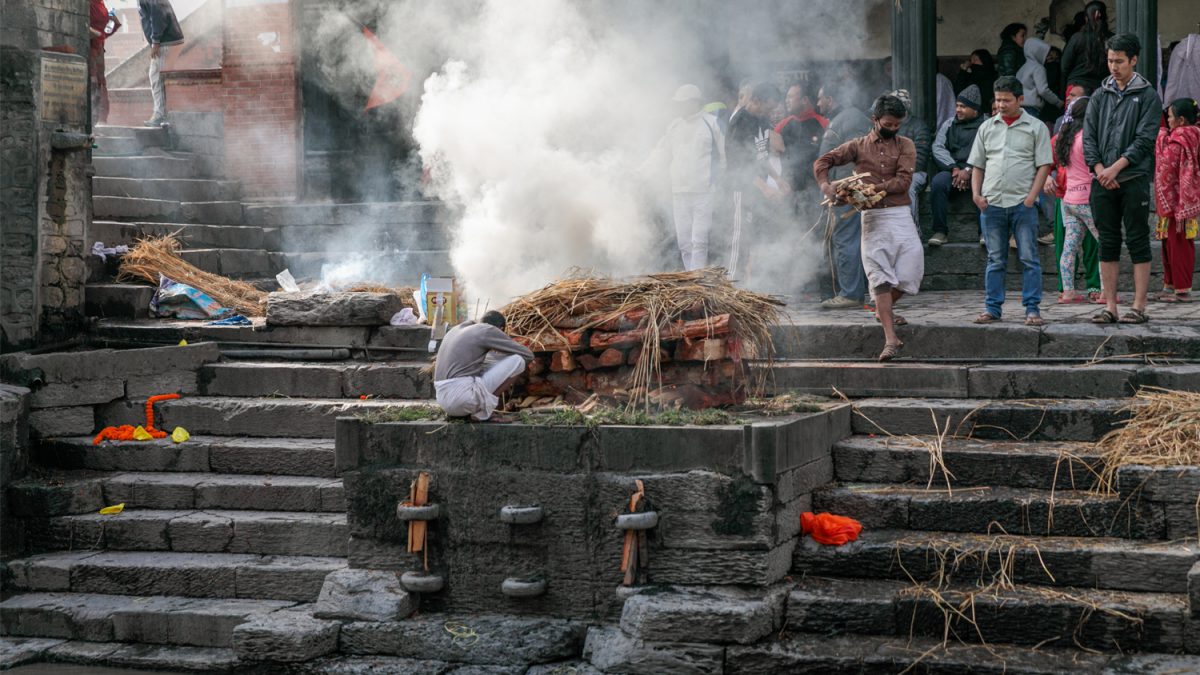
To deepen my understanding of life and culture, I braced myself for the discomfort of unfamiliar surroundings. I was determined to witness an open-air cremation at the Bagmati River and the Pashupatinath Temple.


Bagmati river

Farewell my friend
November 7, 2025
Journey to Holi festival
November 8, 2025STORIES OF NEPAL
Open-air cremations at Pashupatinath Temple
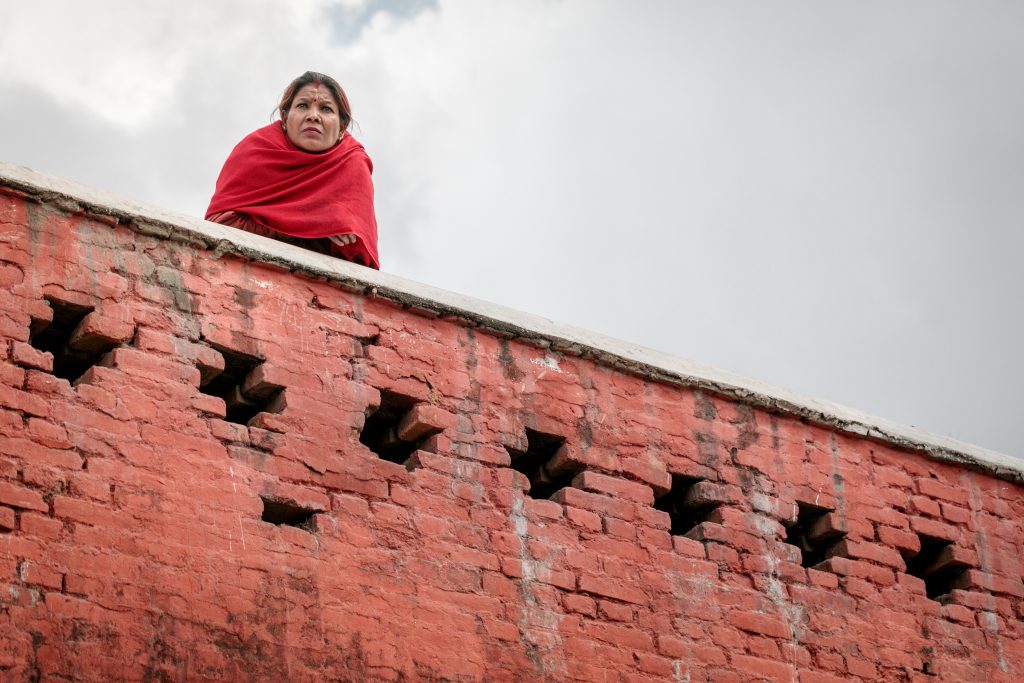
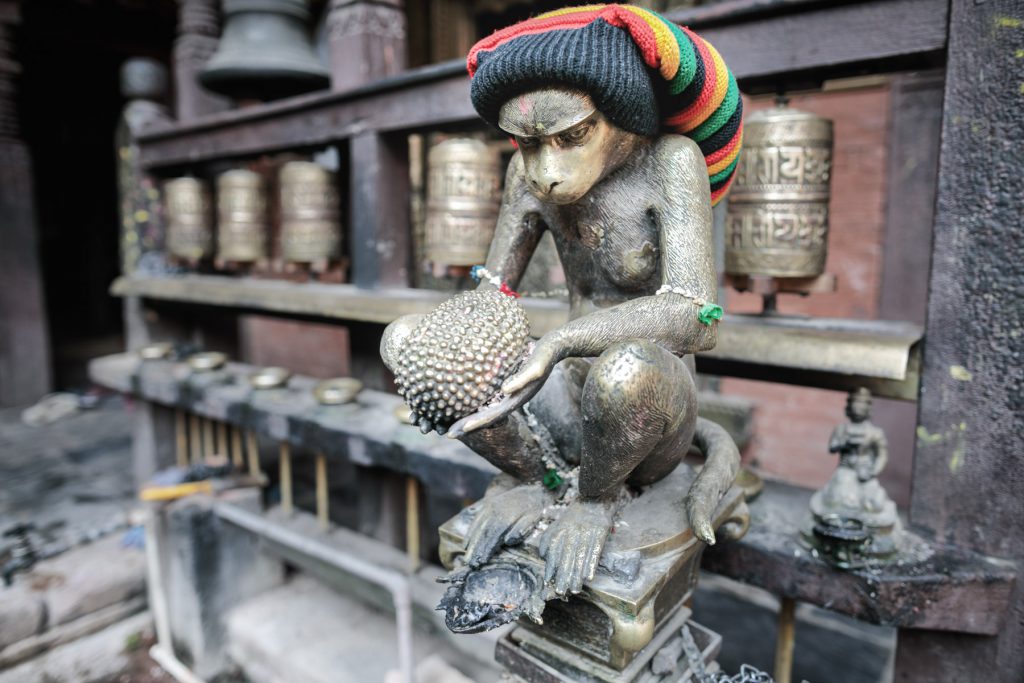
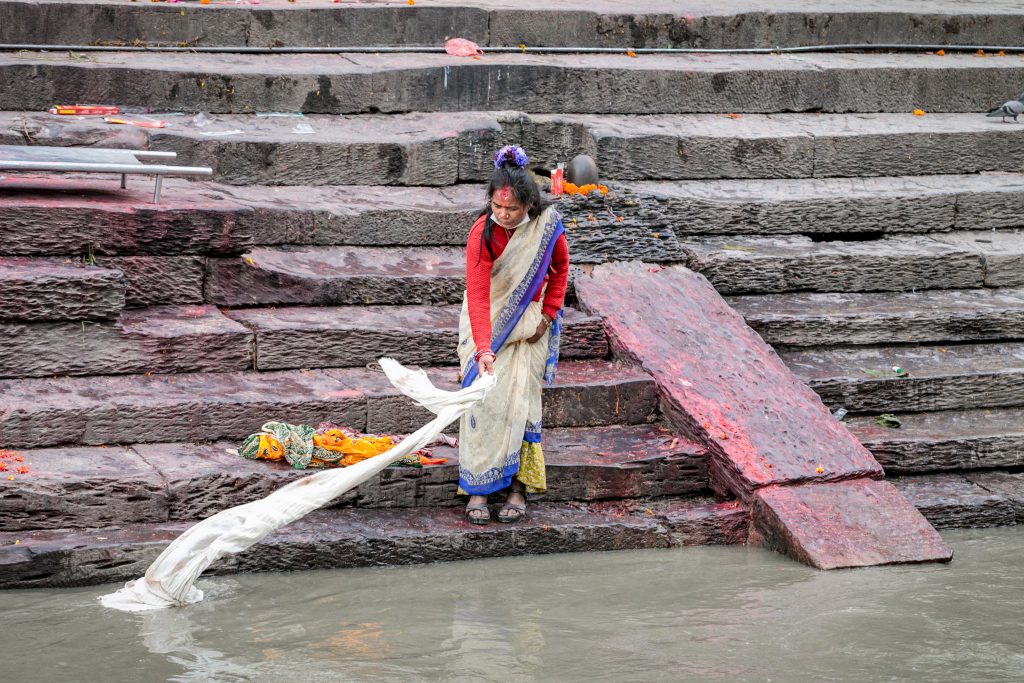
As Nepal’s oldest river, the Bagmati is considered sacred by Hindus and is believed to possess divine power, forming the foundation of Kathmandu civilisation. The river and its tributaries serve around 3 million people in and around Kathmandu Valley, using its waters for farming, fishing, laundry, household chores, and bathing. The Bagmati also runs through one of the most important Hindu temples globally, the Pashupatinath Temple, a UNESCO World Heritage Site.
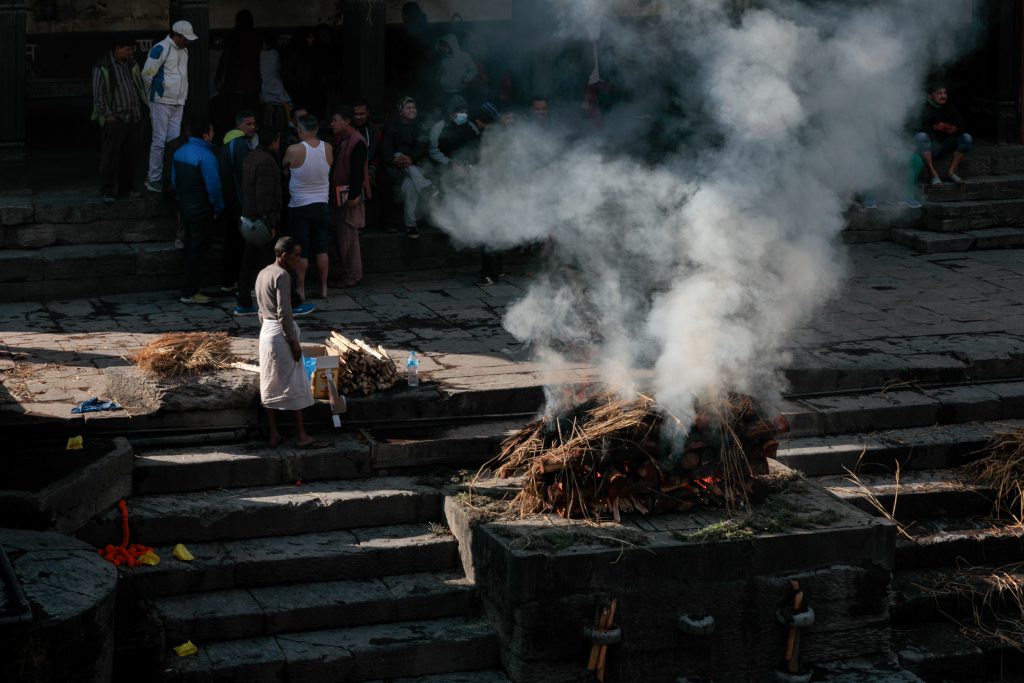
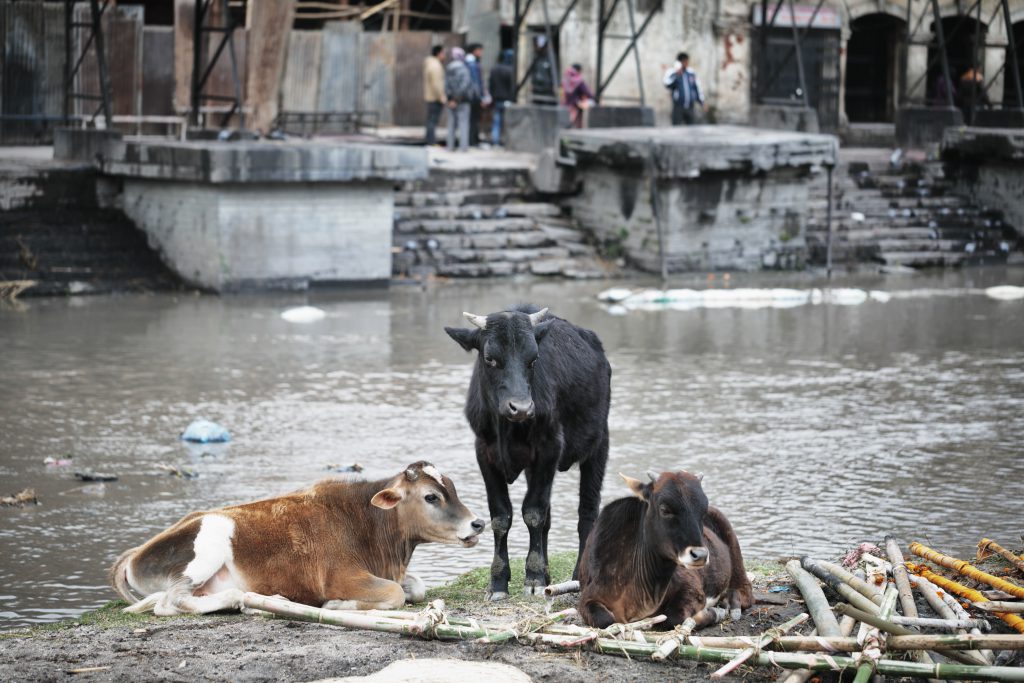
Following a trail of smoke and an aroma that was less than pleasant, I found myself at the sacred banks of the Bagmati River, the final resting place for many Hindus. This river flows into the holy Ganges River in India, making it a revered site across Nepal.
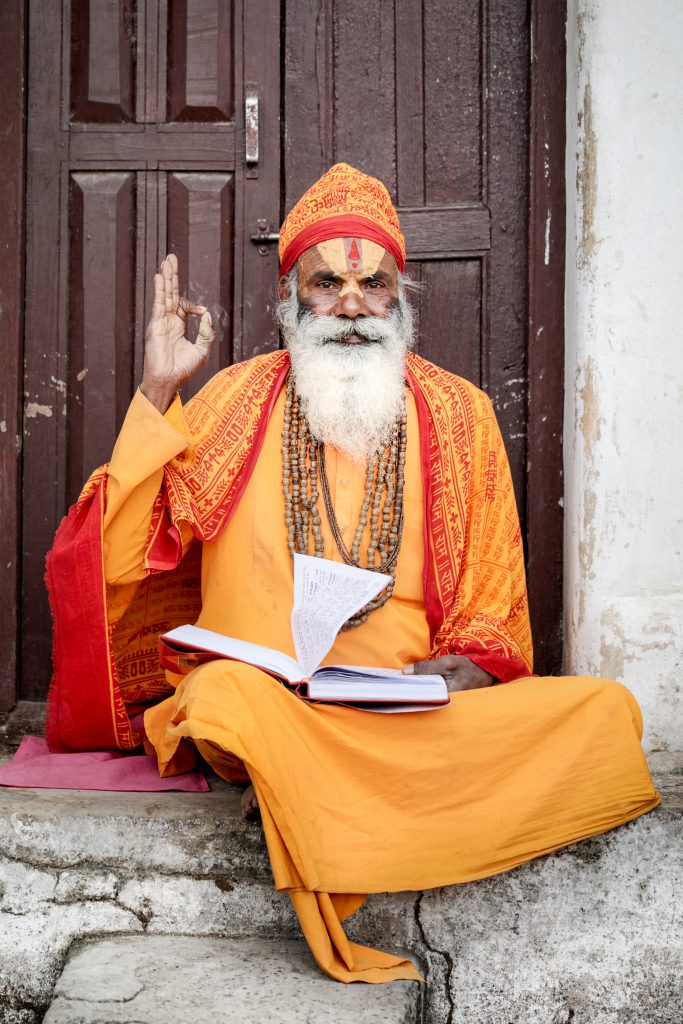
Both Hindus and Buddhists share a belief in reincarnation, where one’s actions in this life shape the journey to a better rebirth. They hold that the soul is eternal, while the body is merely a temporary vessel.
As I settled on the riverbank, trying to blend in like a chameleon, I quietly observed the open-air cremation process. The family of the deceased noticed my presence, but in their time of sorrow, I was thankfully largely unnoticed.
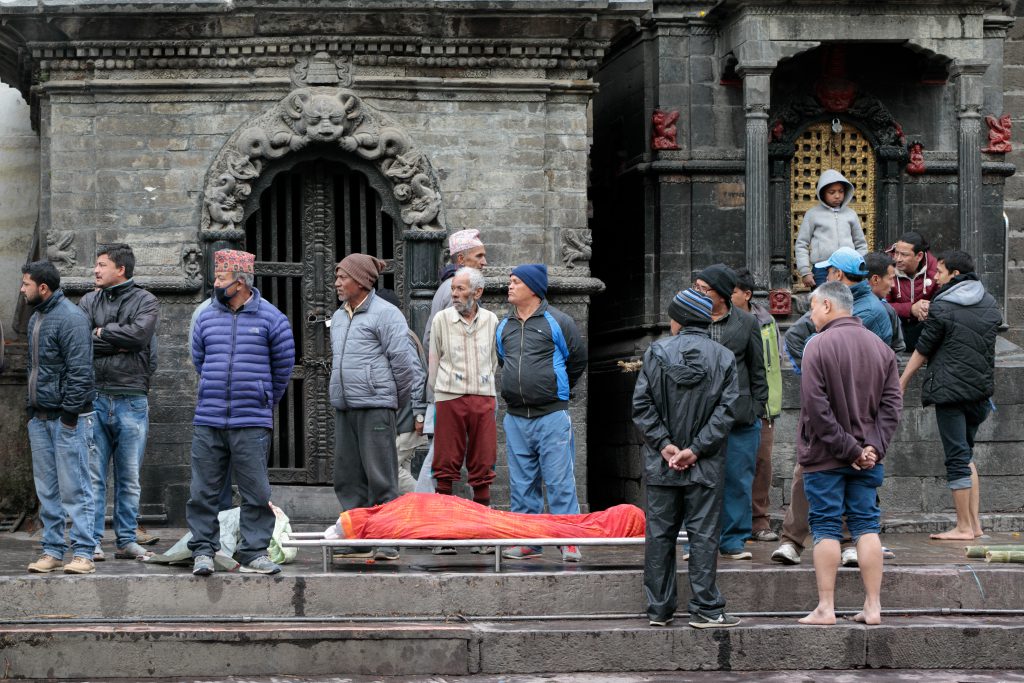
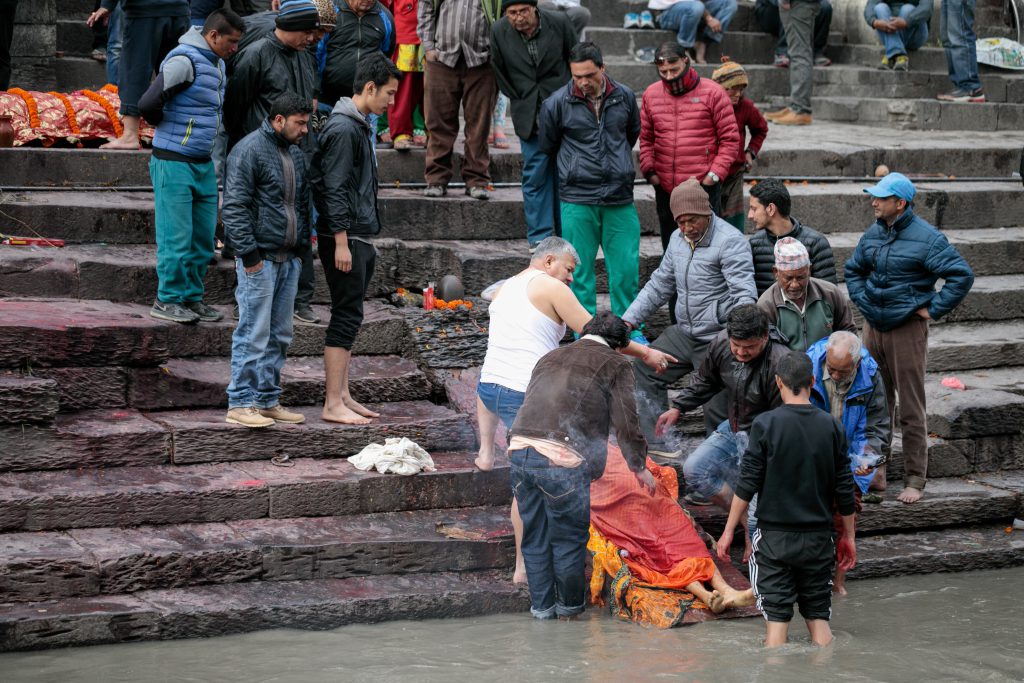
After bathing the deceased, they wrapped the body in cotton cloth, leaving only the head exposed. The white cloth symbolizes peace, while the orange cloth represents reincarnation.
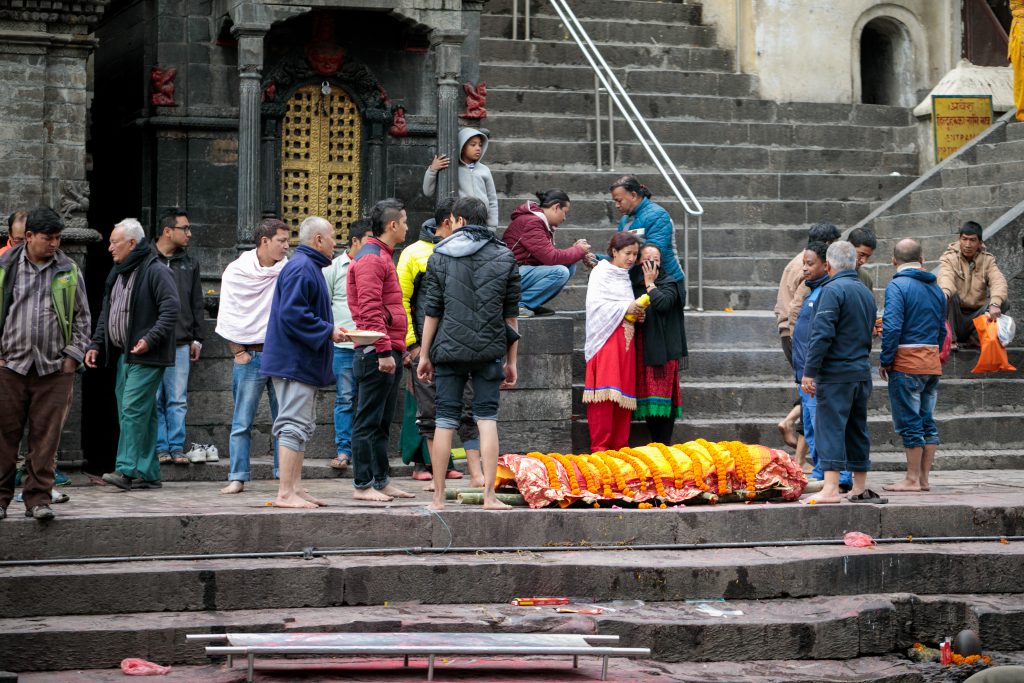
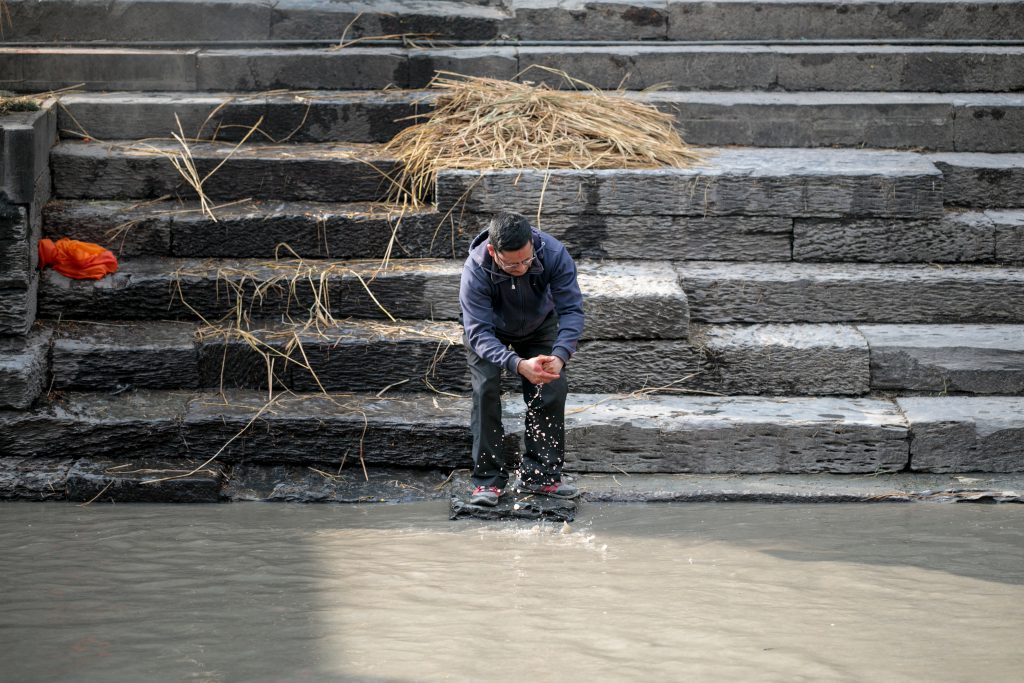
After about four hours, the ashes are gently scattered into the river. Relatives often partake in the ceremony by bathing in the river or sprinkling holy water on themselves post-cremation.
During the 11-day mourning period, the family avoids certain vegetables and meats and wears simple white clothing.
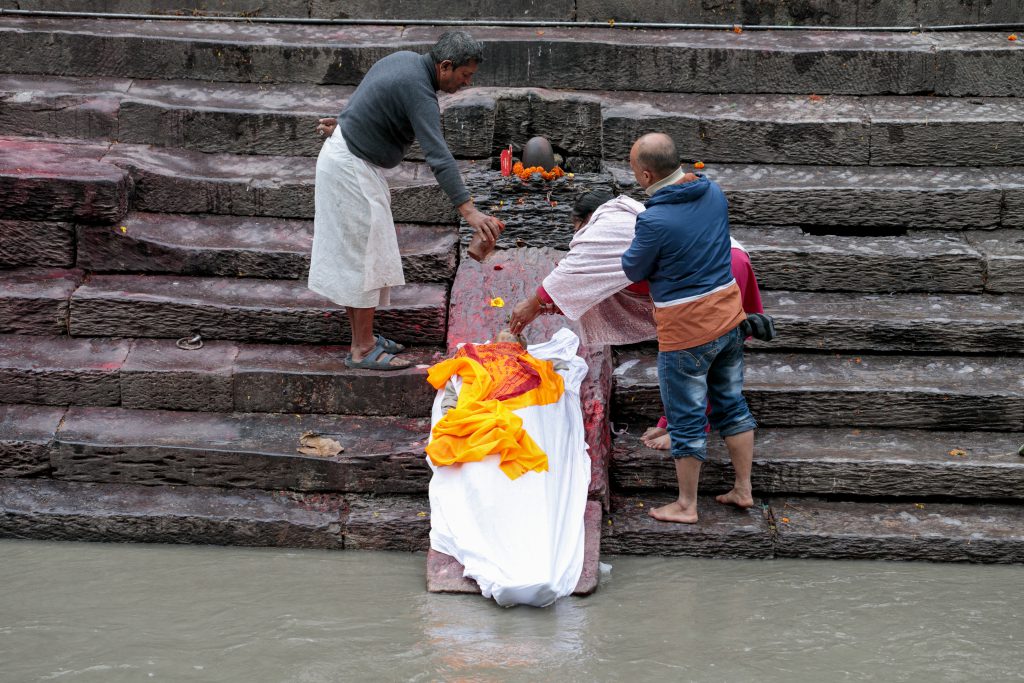
Witnessing this ceremony was an experience that tugged at my heartstrings and challenged my understanding of life and death. Observing from the sidelines, I felt like a cultural anthropologist, albeit one who had signed up for a front-row seat to the circle of life. While reading about Hindu cremations along the holy river is certainly enlightening, nothing quite compares to the raw, real, and sometimes challenging experience of being there in person.
So, if you ever find yourself in Nepal, don’t just stick to the tourist spots. Embrace the unfamiliar, the uncomfortable, and the utterly fascinating. Just remember: the next time someone says, “Let’s go witness an open-air cremation,” you might want to pack some nose plugs.
Regarding the open ceremony, please be mindful and respectful—let’s avoid being noisy or disruptive, especially during such special occasions as this essential ceremony.